
From Fragile to Flourishing: How Timely Nutrition Support Saved Iidow’s Life
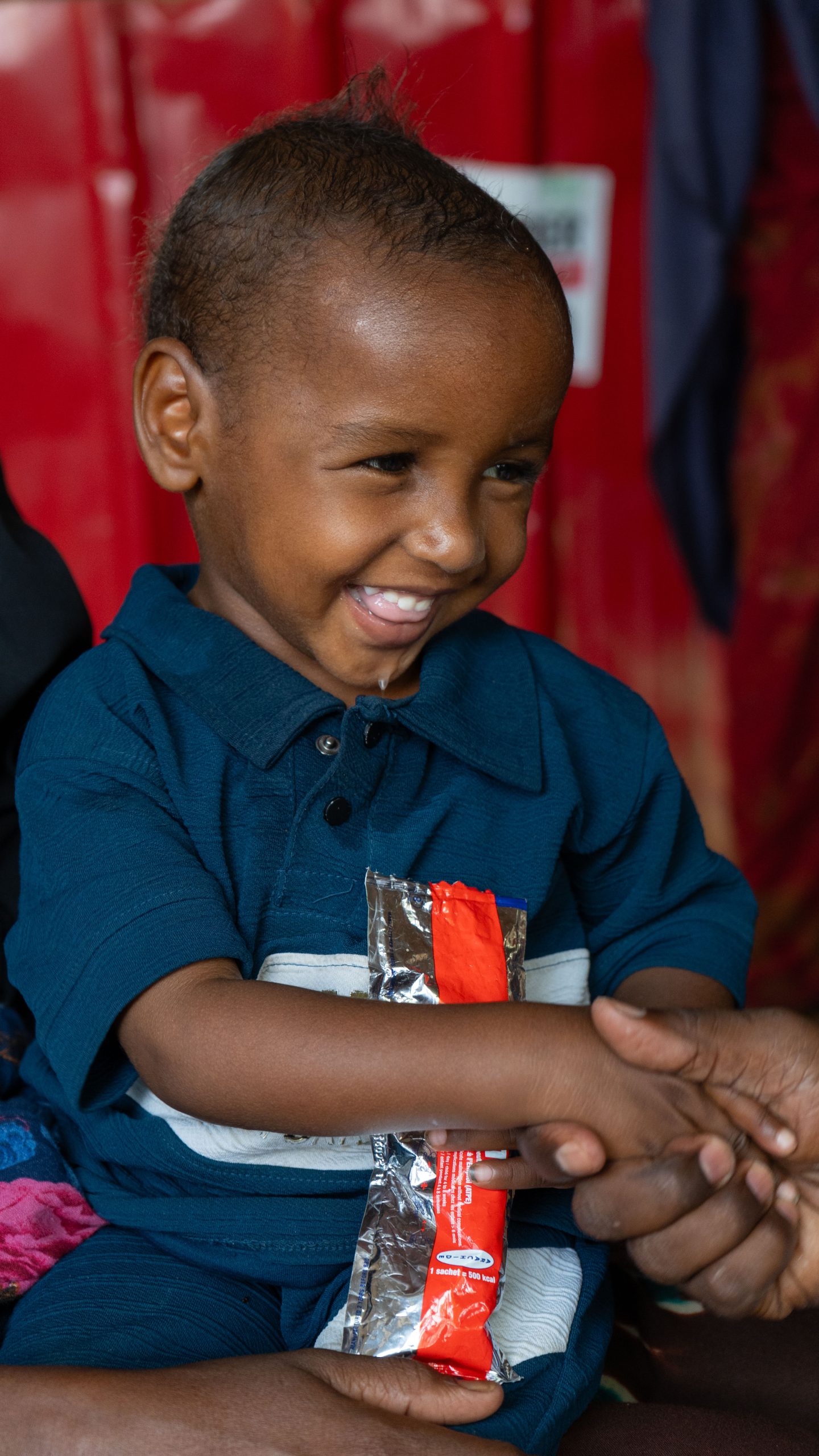
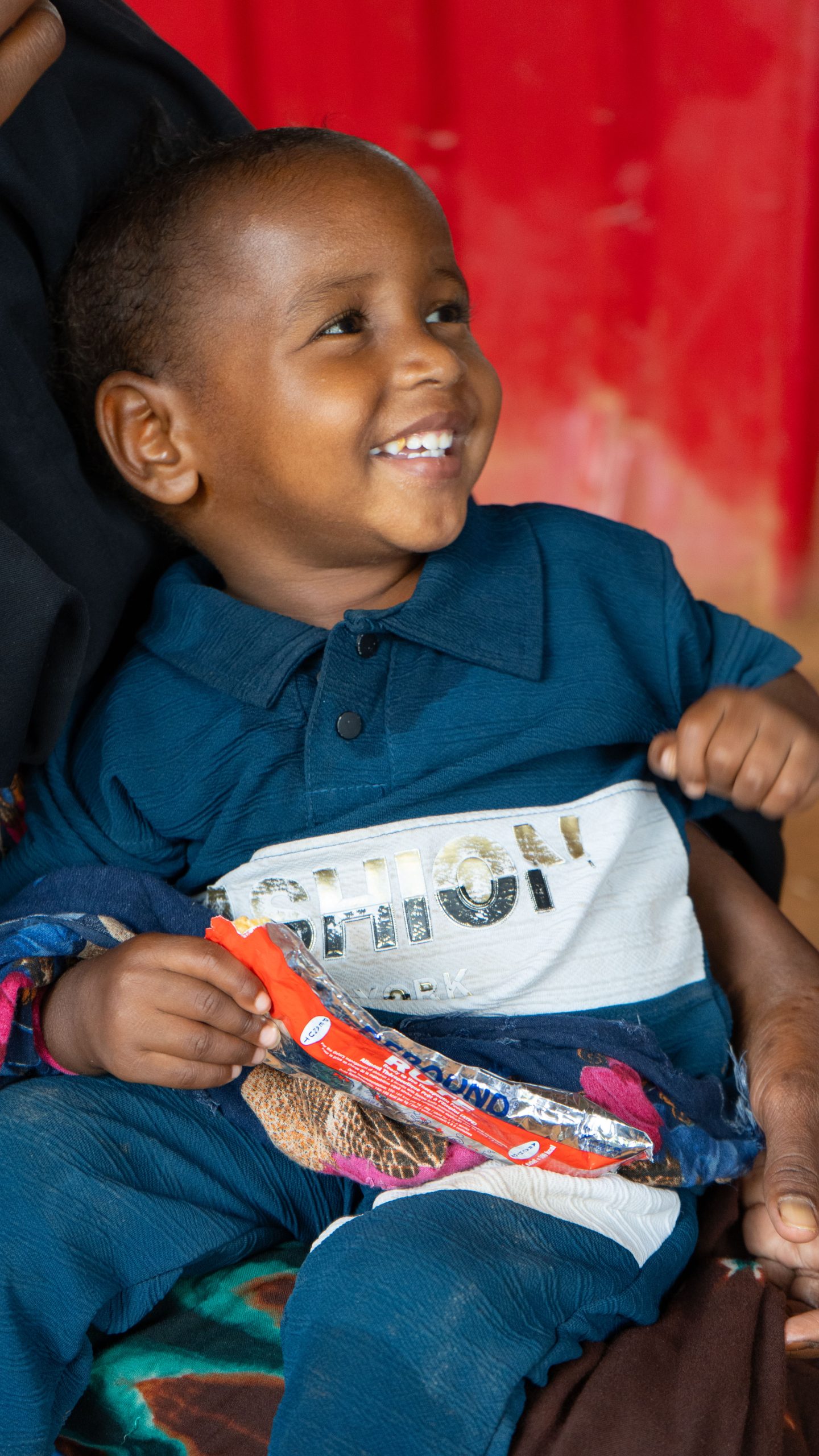
A 30-month-old boy from Bisig Ede village in Baidoa, Somalia, has recovered from severe acute malnutrition and tuberculosis following lifesaving treatment and nutrition support from GREDO.
For 27-year-old Madina Mohamed Abukar, watching her 30-month-old son, Iidow Ali Nor, become increasingly weak was a frightening experience. Living in Bisig Ede village, approximately 15 kilometres from Baidoa, Madina struggled to care for her three young children while her husband travelled to neighbouring villages to look after their livestock.
When Iidow developed persistent vomiting and diarrhoea, Madina cared for him at home for nearly two weeks. Despite trying to feed him breastmilk, water and light porridge, his condition continued to deteriorate.
“He was so weak that he would not eat anything, not even a little milk. He only cried and slept. I sat beside him day and night, and I truly thought I was going to lose him,” Madina recalls.
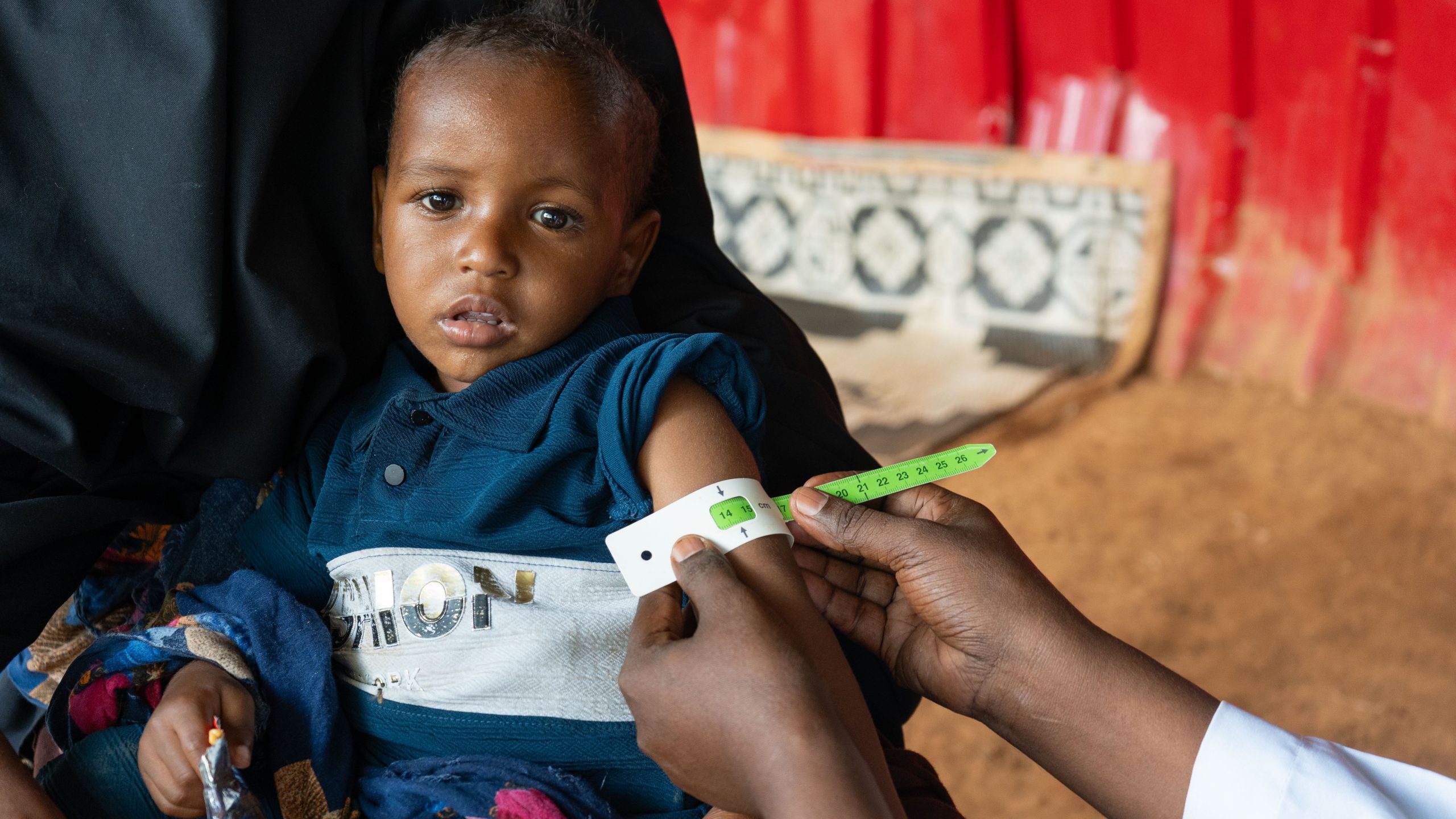
A community health worker from GREDO visited the village, screened Iidow using a mid-upper arm circumference (MUAC) tape and identified danger signs. Madina was immediately advised to take him to Towfiq Health Centre, where further assessment confirmed severe acute malnutrition (SAM) with medical complications and oedema associated with kwashiorkor.
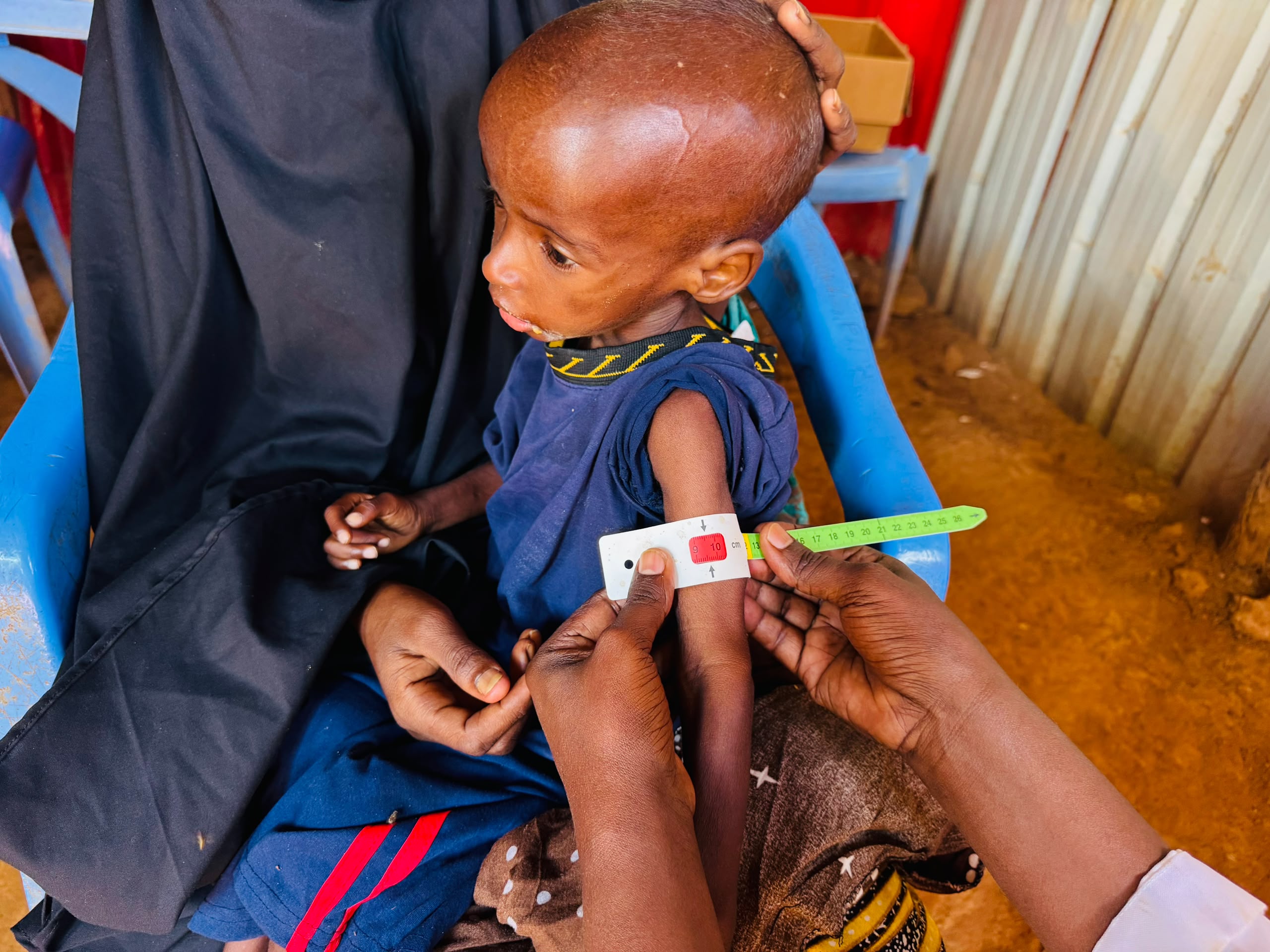 Iidow being held by his mother while his MUAC is being measured at Towfiq Health Centre.
His MUAC measured just 9.8 cm, and he weighed 6.5 kg. Due to the severity of his condition, GREDO health staff referred him to the Stabilisation Centre at Bay Regional Hospital, where he was stabilised and started on tuberculosis (TB) treatment.
Following his stabilisation, Iidow returned to Towfiq Health Centre for continued treatment through the Welthungerhilfe (WHH)-funded Conard 1123 Project. He received ready-to-use therapeutic food (RUTF), routine medication, measles vaccination and regular medical follow-up.
Madina also received nutrition counselling on appropriate child feeding, hygiene, safe water and how to administer RUTF correctly.
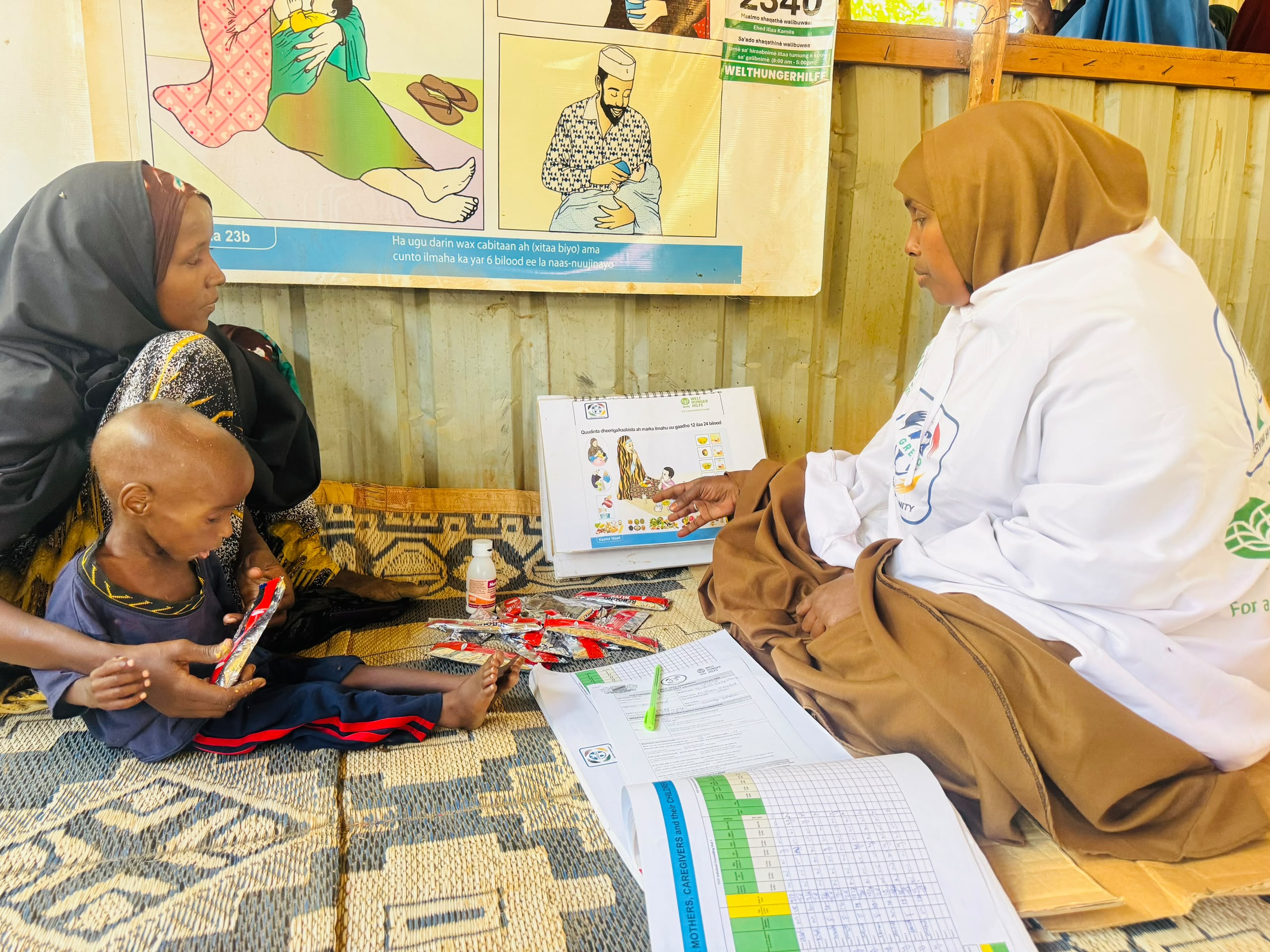
Madina with her child receiving counselling at Towfiq Health Centre when he was severely malnourished
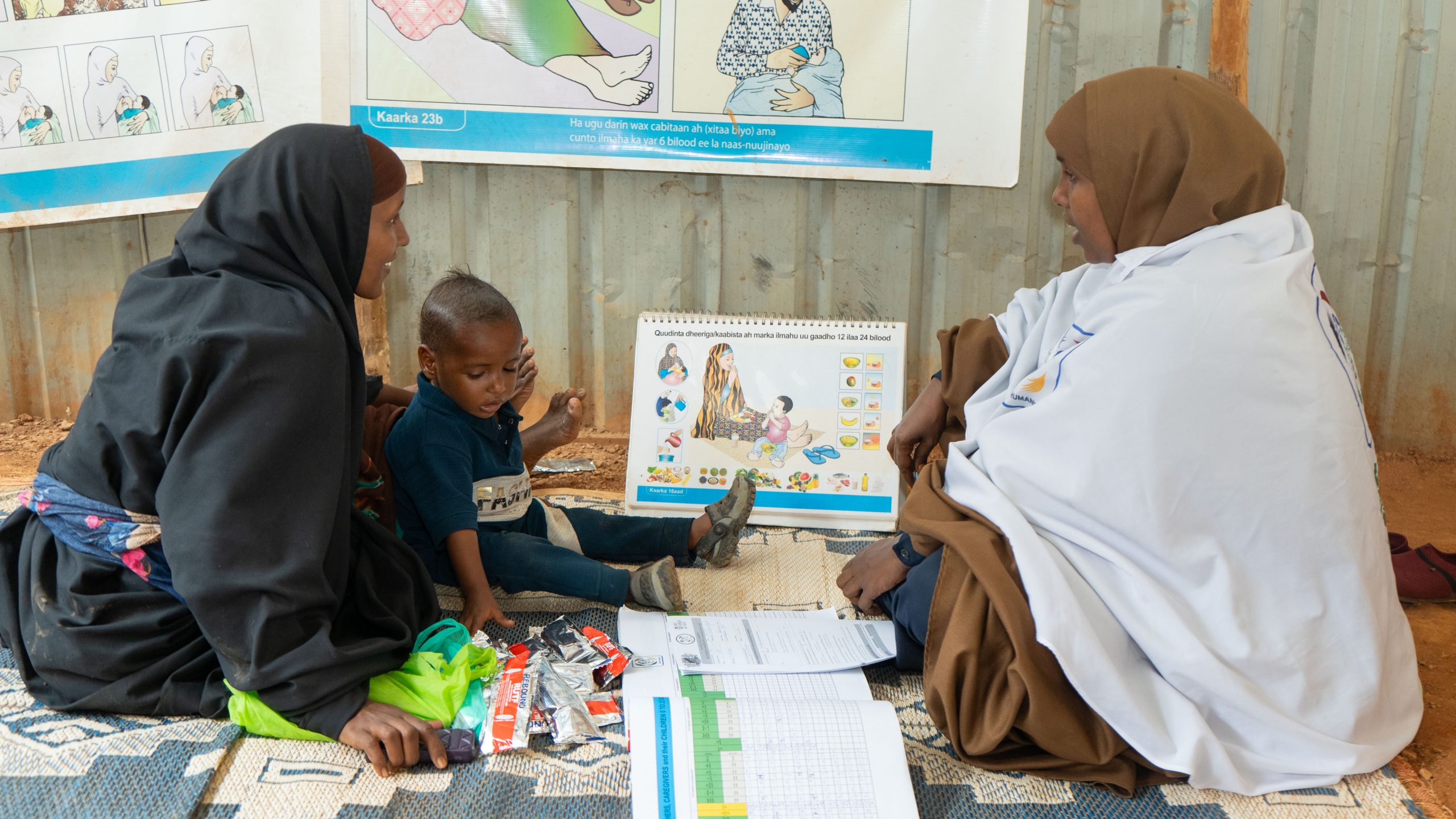
Madina with her child receiving counselling at Towfiq Health Centre following his recovery.
“They taught me how to feed him, how to keep him clean and when to bring him back. Now I cook differently at home, and I use what I learned for all my children,” she says.
After 12 weeks of treatment, Iidow’s transformation was remarkable. His MUAC increased from 9.8 cm to 13.5 cm, and his weight rose from 6.5 kg to 10 kg. His appetite returned, the vomiting and diarrhoea stopped, and the swelling disappeared. He was subsequently discharged as cured.
Today, the once-weak boy laughs, runs around the house and plays with his brother and sister.
“Today he laughs and plays with his brother and sister. When I watch him running around the house, I remember how sick he was,” Madina says.
Iidow’s recovery demonstrates the importance of early screening, timely referral and continued access to lifesaving nutrition and medical services. Through the WHH-funded Conard 1123 Project, GREDO continues to support vulnerable children and mothers in Baidoa with essential nutrition services.
For Madina, seeing her son healthy again means more than recovery. It means renewed hope for his future.
“I thank GREDO and WHH from the bottom of my heart. Without their help, I do not know where my son would be today. May God reward everyone who stood with us.”