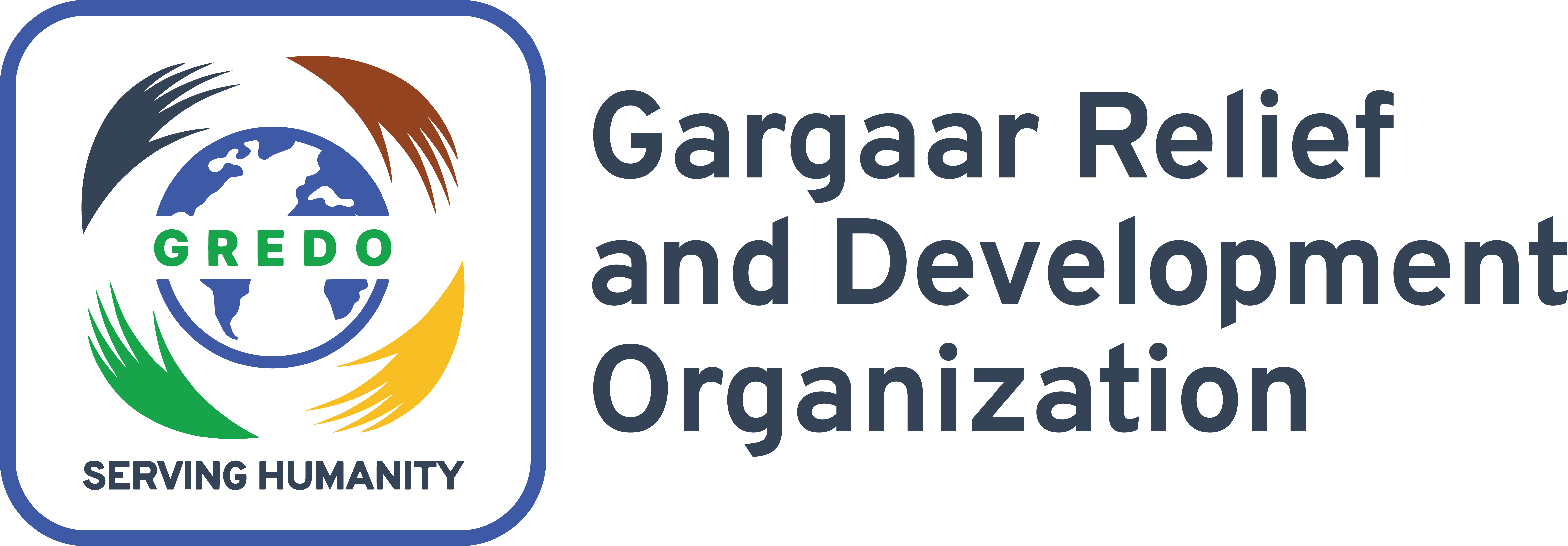

With improved agricultural knowledge and climate-resilient farming practices, Omar Osman Hydar is transforming his farm into a source of food and income for his family in Afgooye District, Lower Shabelle Region, Somalia.
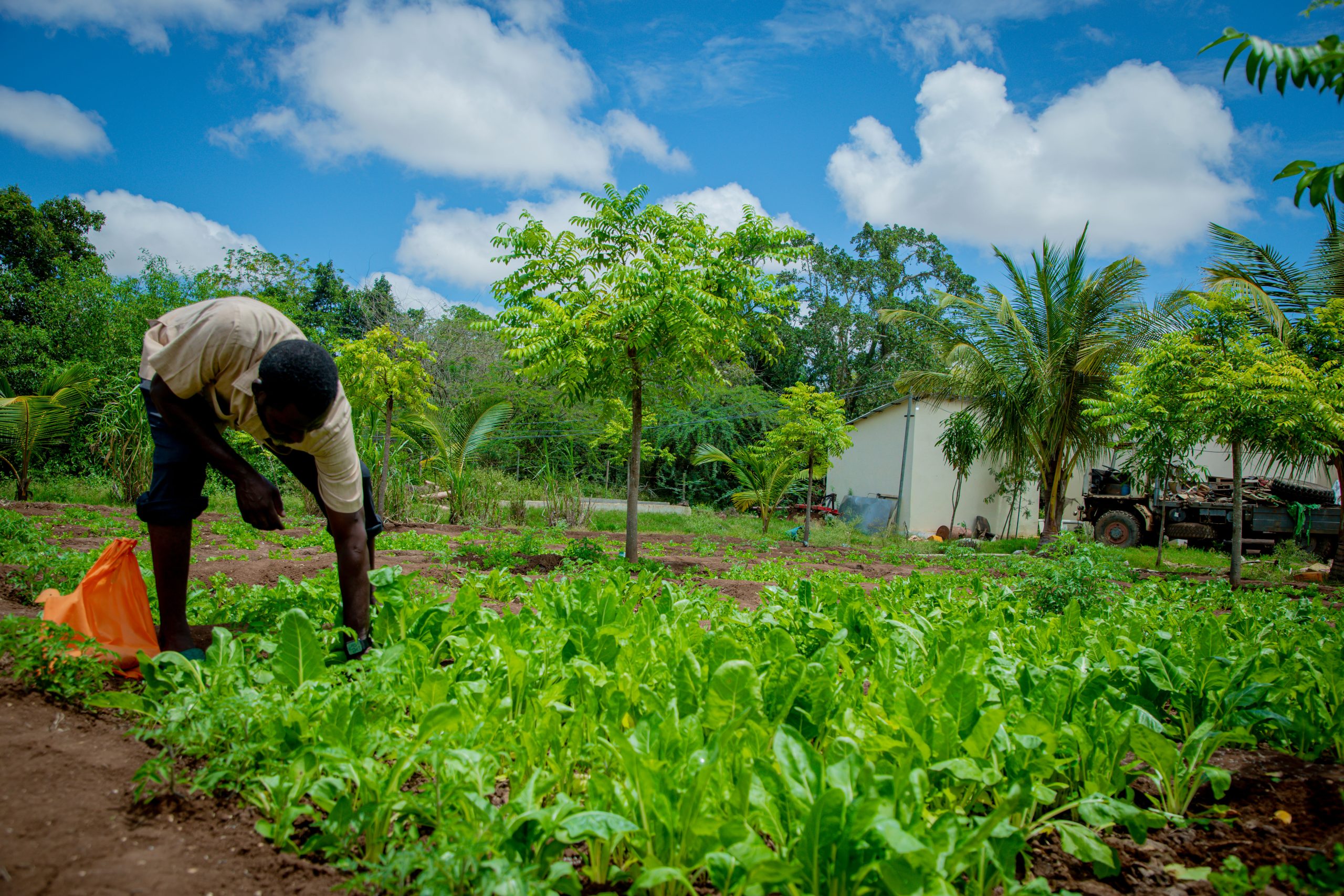
For 54-year-old Omar Osman Hydar, farming has always been his main source of livelihood. A father of seven, he depends on agriculture to feed his family, meet household needs and support his children’s education.
Originally from Meeri village, approximately five kilometres from Baidoa town, Omar was forced to flee his home due to conflict and prolonged drought. After displacement, he eventually settled in Eleyo Camp, Doolaawe, Afgooye District, where he started rebuilding his livelihood through farming.
Although he had previous farming experience, Omar faced challenges adapting to his new environment. He had limited knowledge of improved agricultural practices, particularly land preparation, soil management and water conservation. Despite having access to rainwater, wells and river water, he struggled to use these resources effectively.
“Our biggest challenge was lack of agricultural knowledge. We were farmers, but there were many things about farming that we did not know. The training helped us understand practices that we had struggled with for years,” Omar explains.
Learning better farming practices
During an assessment conducted by GREDO in the camp, Omar was selected to join a farmer group under the Smart Somali Farming Initiative.
Through the initiative, he received training on climate-resilient agricultural practices, including land preparation, soil selection, crop management, water conservation, farm management and linking agricultural production to markets.
He learned how different soil types affect crop production, how to select suitable land and how to make better use of available water resources. He also adopted environmentally responsible practices, including avoiding the burning of agricultural waste to protect soil quality.
“I learned many things that I was previously unaware of. Now I know how to prepare my farm, manage the soil and make better use of the resources available to us,” he says.
From farming to improved household food security
Today, Omar is applying the knowledge gained through the training on his farm. One significant change for his family is their improved access to fresh vegetables. Previously, they had to purchase vegetables from the market, but they can now harvest some directly from their own farm.
He also sells part of his harvest at the local market while keeping some for household consumption. The income generated helps him meet family expenses, particularly his children’s education.
“I sell some of the vegetables we harvest, while we also eat some at home. The income helps me support my family and pay for my children’s education,” he says.
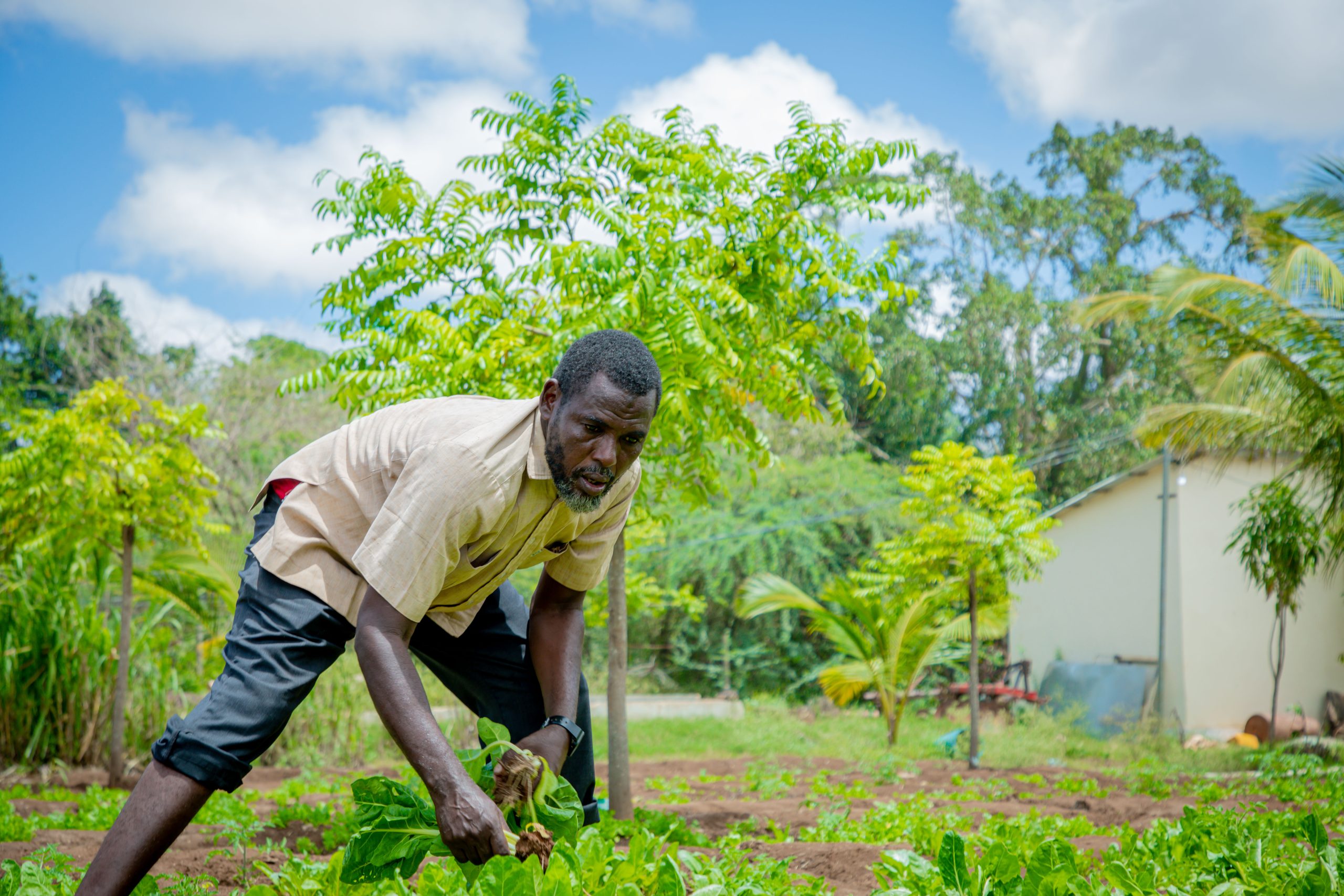
For Omar, farming is now more than a means of producing food. It is an important source of household income and an opportunity to build a more secure livelihood for his family.
Strengthening smallholder farmers
Through the Smart Somali Farming Initiative, GREDO, working through the Nexus Consortium Somalia, reached 100 smallholder farmers in Afgooye District, 52 per cent of whom were women. The farmers were organised into four cooperatives and supported with training to strengthen their agricultural knowledge and promote climate-resilient farming practices.
For Omar, the greatest benefit has been the practical knowledge he can continue applying to his farm. He is now better equipped to manage his land, improve household food availability and generate income from his agricultural production.
“What I gained was knowledge. There were many things I did not know before, but now I understand them and I can apply them on my farm.”
About the Smart Somali Farming Initiative
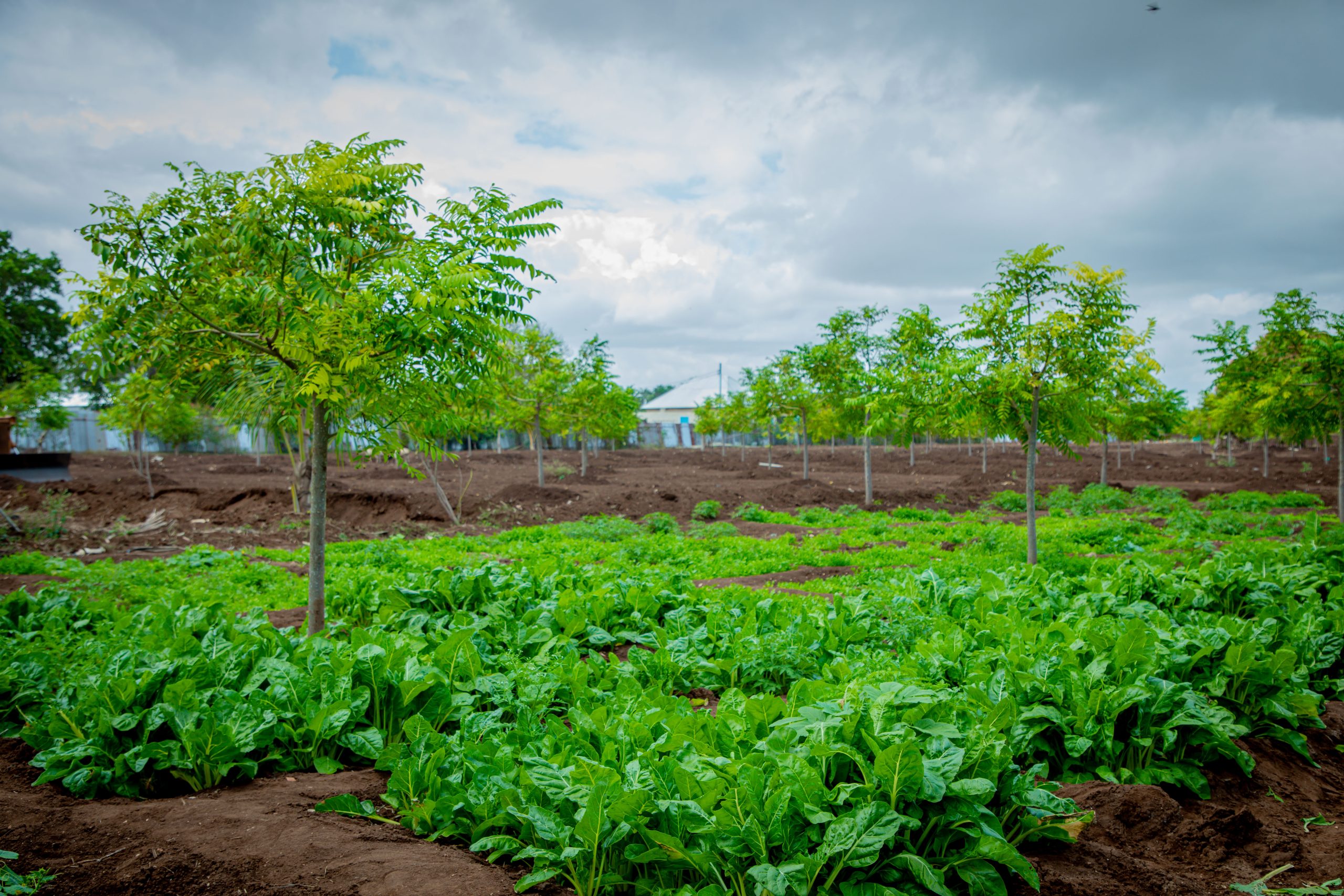
The initiative aims to strengthen smallholder farmers and agriculture-dependent households in Afgooye District through improved agricultural knowledge, climate-resilient farming practices and sustainable livelihood opportunities.
Location: Afgooye District, Lower Shabelle Region, Somalia
Implemented by: GREDO, through Nexus Consortium Somalia
Supported by: UNDP Tadamon Accelerator for Food Security
In-kind co-financing: IMS Foundation