
Baidoa, Somalia — September 2026 : Somalia is facing serious food security and nutrition challenges. The latest IPC analysis estimates that 5.1 million people are currently facing Crisis or worse levels of acute food insecurity. This number is projected to rise to 5.4 million between October and December 2026.
The situation comes as communities prepare for the upcoming Deyr season. According to the IPC, El Niño conditions are expected to bring average to above-average rainfall across much of Somalia. While rainfall could improve pasture and water availability in some areas, heavy rains could also cause severe flooding in riverine and low-lying areas, damaging farms and infrastructure, disrupting livelihoods and affecting access to markets.
For communities in Southwest Somalia, these risks are especially important. Many families depend on farming, livestock and other climate-sensitive livelihoods. In Bay, 597,640 people are currently facing IPC Phase 3 or above, while 110,290 people in Bakool are in the same category.
The impact also extends to children. The IPC estimates that 1.92 million children aged 6–59 months are suffering or expected to suffer from acute malnutrition and require treatment between July 2026 and June 2027, including approximately 433,000 children with severe acute malnutrition.
The importance of preparing early
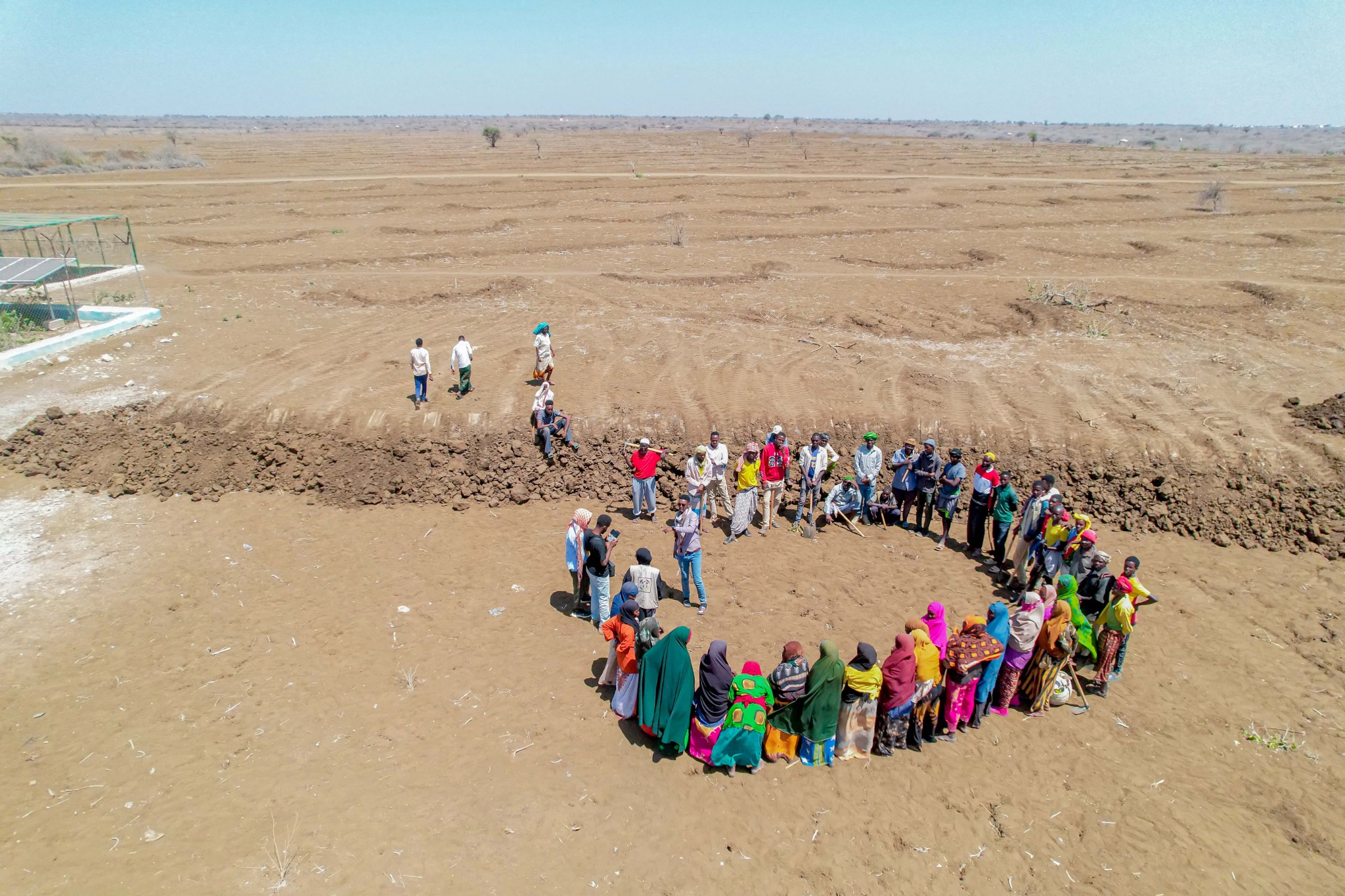
For communities living with repeated climate shocks, preparation can make an important difference. Early warning information can help people understand the risks ahead, while preparedness planning gives communities an opportunity to discuss priorities and take action before a crisis becomes more severe.
For GREDO, the latest IPC findings reinforce the importance of working closely with communities on early warning and early action, climate resilience, livelihood protection, WASH, food security and emergency preparedness.
“The latest IPC analysis reminds us of the importance of acting early. Communities need access to information, preparedness support and the tools they need to respond to risks before they become emergencies. At GREDO, we remain committed to working alongside communities and partners to strengthen preparedness and support locally led solutions.”
Alinur Ali Aden, Executive Director, GREDO
As Somalia approaches the October–December period, the need for timely preparedness remains important. Early warning is most valuable when it leads to early action. By working with communities and partners, preparedness efforts can help people better understand risks and plan for the challenges ahead.