
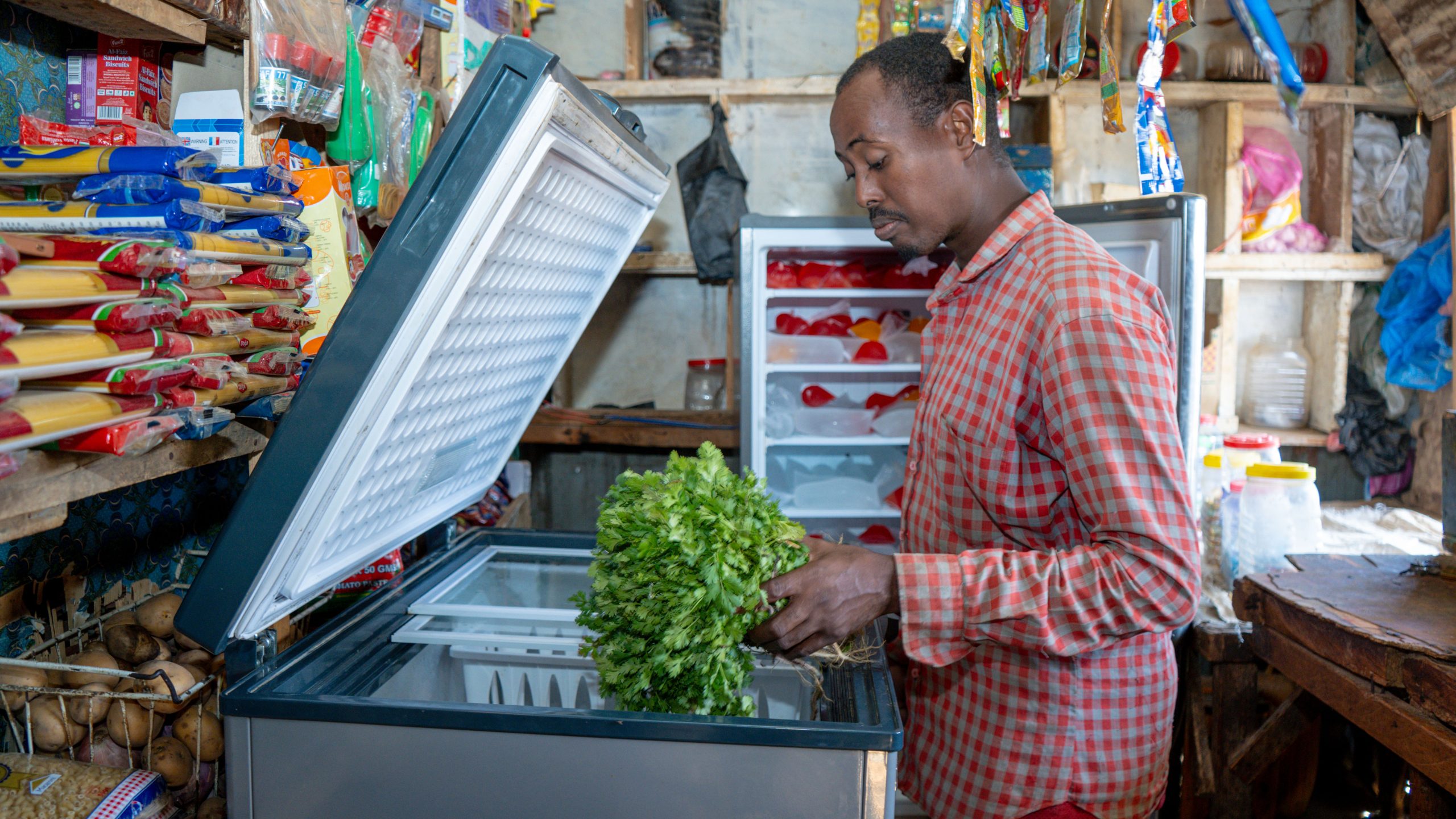
Mahamed Husein Isak is a 25-year-old young man living with a physical disability in Towfiq village, Baidoa. His life has been shaped by prolonged displacement, vulnerability, and economic hardship. Mahamed developed his disability at the age of six months due to a stroke in early infancy, resulting in partial physical impairment affecting his hands, posture, and speech, significantly limiting his access to education, employment, and livelihood opportunities.
Born on the outskirts of Baidoa in Bula Jay, Mahamed’s family depended on small-scale livestock, mainly goat rearing. However, repeated droughts destroyed their livelihoods, forcing the family to flee Somalia. From 2008 to 2016, they lived as refugees in Ifo Refugee Camp in Kenya, relying entirely on humanitarian assistance.
“We lived with nothing of our own. Every day depended on aid.”
In October 2016, the family returned to Baidoa through a UNHCR-supported reintegration process. Despite receiving temporary support, they remained extremely vulnerable. Mahamed supports a large household, including children and elderly family members. He is a father to a young daughter, while several siblings attend school. With no stable income and a father unable to work, the burden fell heavily on him. “Disability did not stop my dreams, but lack of opportunity did.”
Before the intervention, Mahamed ran a small vegetable kiosk, but without electricity or refrigeration, his goods spoiled quickly, leading to constant losses and frustration. “Before the solar support, I worked hard but stayed poor.”
Through community-based vulnerability assessments conducted by GREDO, Save the Children, and the Ministry of Labour and Social Affairs (MoLSA), Mahamed was identified as highly vulnerable. Instead of short-term aid, he received climate-smart livelihood support, including a solar-powered refrigerator, solar panels, an inverter, and batteries—addressing the core barrier to his business: lack of reliable energy.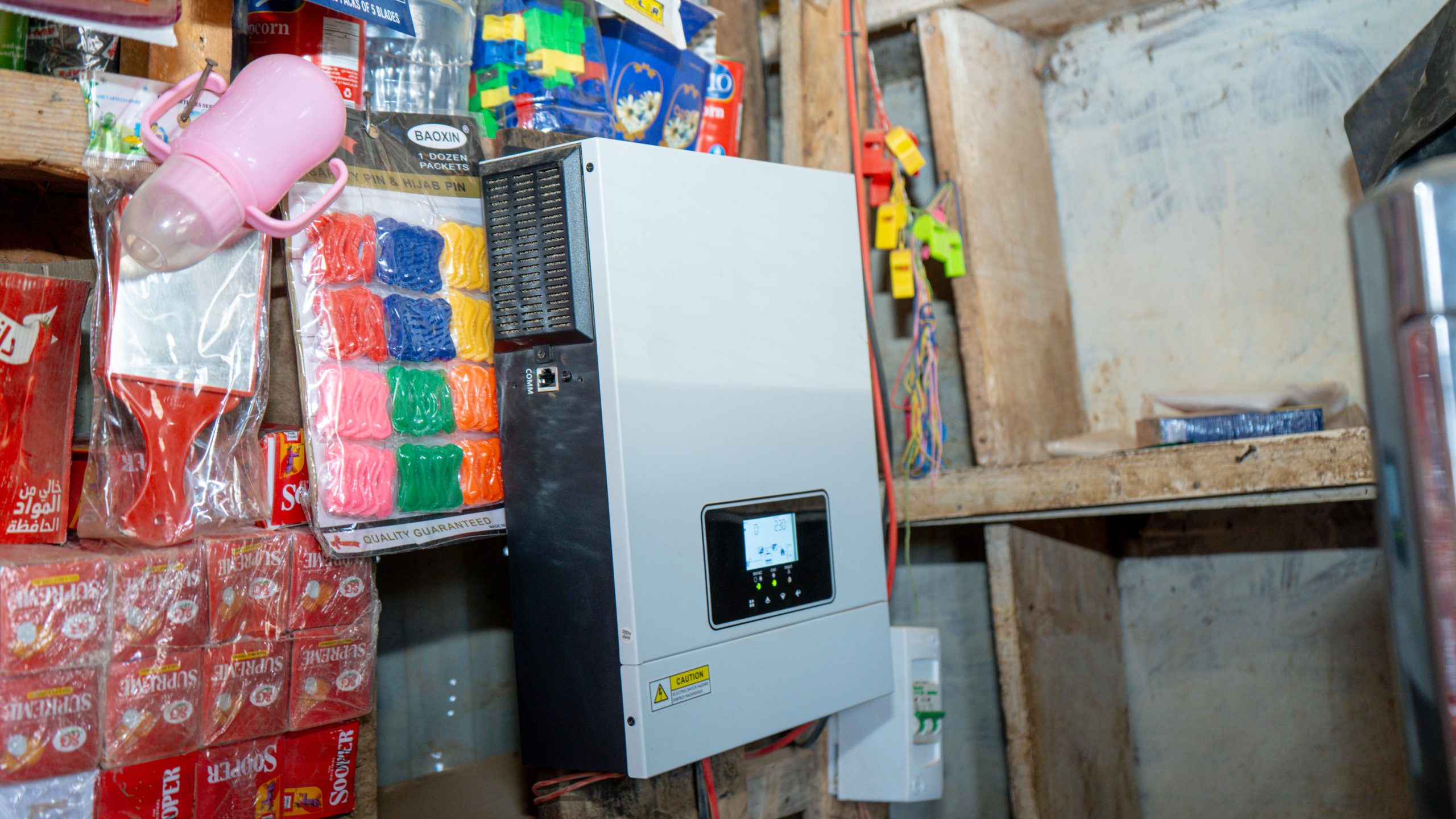
Following this support, his business transformed. He expanded his kiosk to sell cold drinks, ice cream, and chilled products, and introduced mobile phone charging services. Solar energy eliminated electricity costs and allowed him to operate consistently. His income increased to an average of USD 15 per day, saving between $50 and $60 per month.
“Solar power changed everything for me—no more spoiled goods, no more daily losses.”
“This project changed my life completely. Today, I work, I earn, and I support my family with dignity.”
Mahamed now provides food for his household, contributes to school fees, and supports extended family members. More importantly, he has regained confidence, independence, and dignity.
“For the first time, I am not waiting for help. I am earning my own living.”
“GREDO and Save the Children gave me hope and a future. Before this support, I could not imagine standing on my own.”
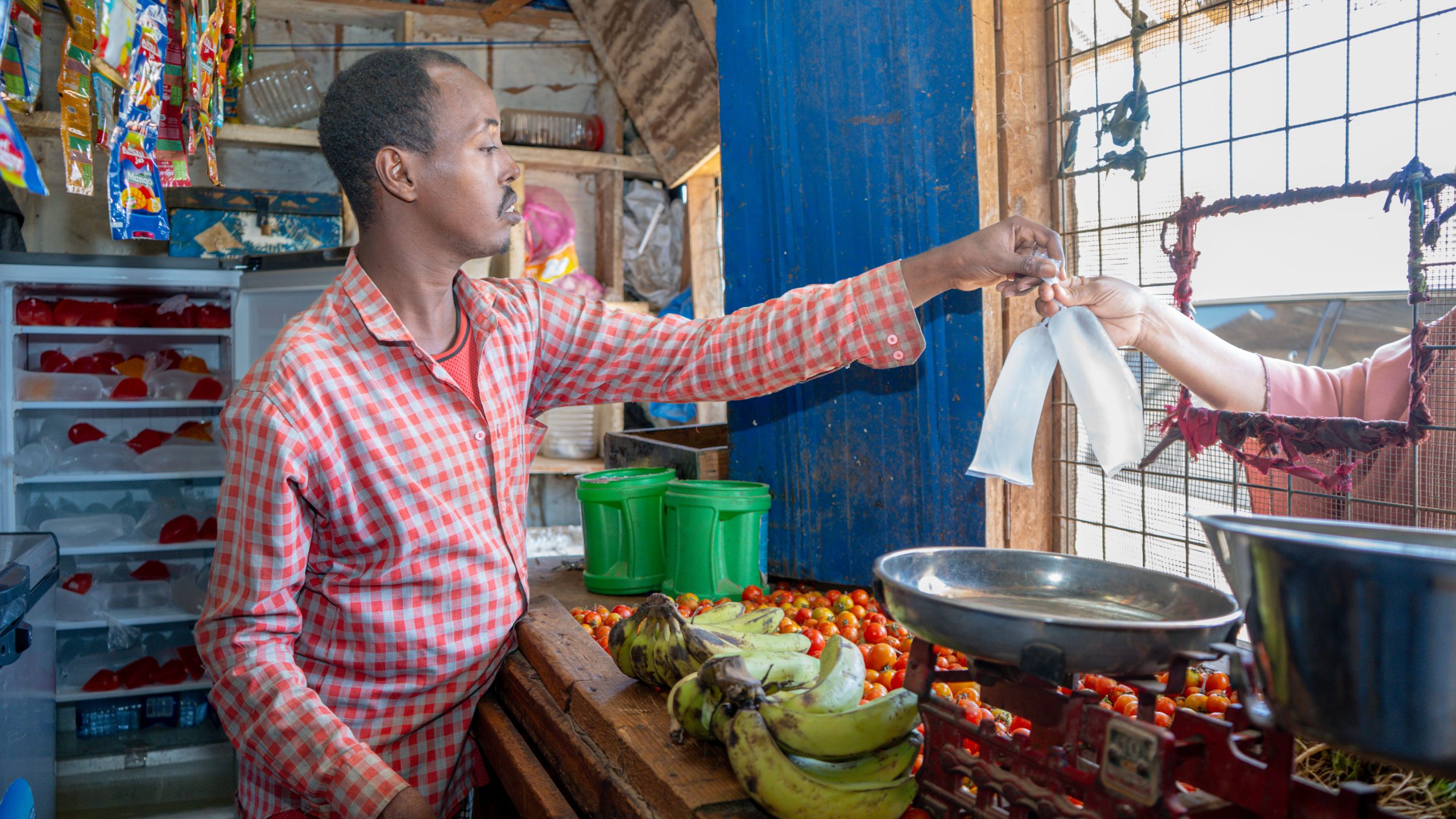
Mahamed’s journey shows how inclusive, climate-smart livelihood interventions can enable vulnerable youth, including persons with disabilities, to move from dependency to self-reliance while strengthening resilience and promoting sustainable local economic recovery.
“If youth are supported in the right way, they can build their lives. Without support, many fall into desperation.”
The DANIDA SPA LOT DEV project, funded by DANIDA in partnership with Save the Children and implemented by GREDO in Baidoa, aims to strengthen youth empowerment through entrepreneurship, skills development, and support to local civil society organizations. Through a localization-driven approach, the project promotes resilience, civic engagement, and sustainable livelihoods for children, youth, and their families.