
In Somalia, Women and girls living in displacement settings face severe and persistent risks of gender-based violence (GBV). Sexual assault, intimate partner violence, early and forced marriage, and female genital mutilation (FGM) are among the most frequently reported forms of violence. These risks are intensified by displacement, climate shocks such as drought, and ongoing conflict, which force families into crowded and insecure informal settlements.
In many IDP camps, basic infrastructure is limited. Poor lighting, lack of privacy, and unsafe shelter conditions increase the vulnerability of women and girls. Everyday activities, such as collecting water, gathering firewood, seeking work, or traveling to health facilities, often expose them to harassment, assault, or rape. High-risk locations in camps include water points, latrines, and pathways after dark.
For many survivors, reporting violence is extremely difficult. Stigma and shame discourage disclosure, while community norms often treat GBV as a private family matter rather than a serious crime. Limited services, long travel distances, and transport costs further prevent survivors from accessing care. As a result, many incidents go unreported or are reported after the critical 72-hour window required for clinical care following rape.
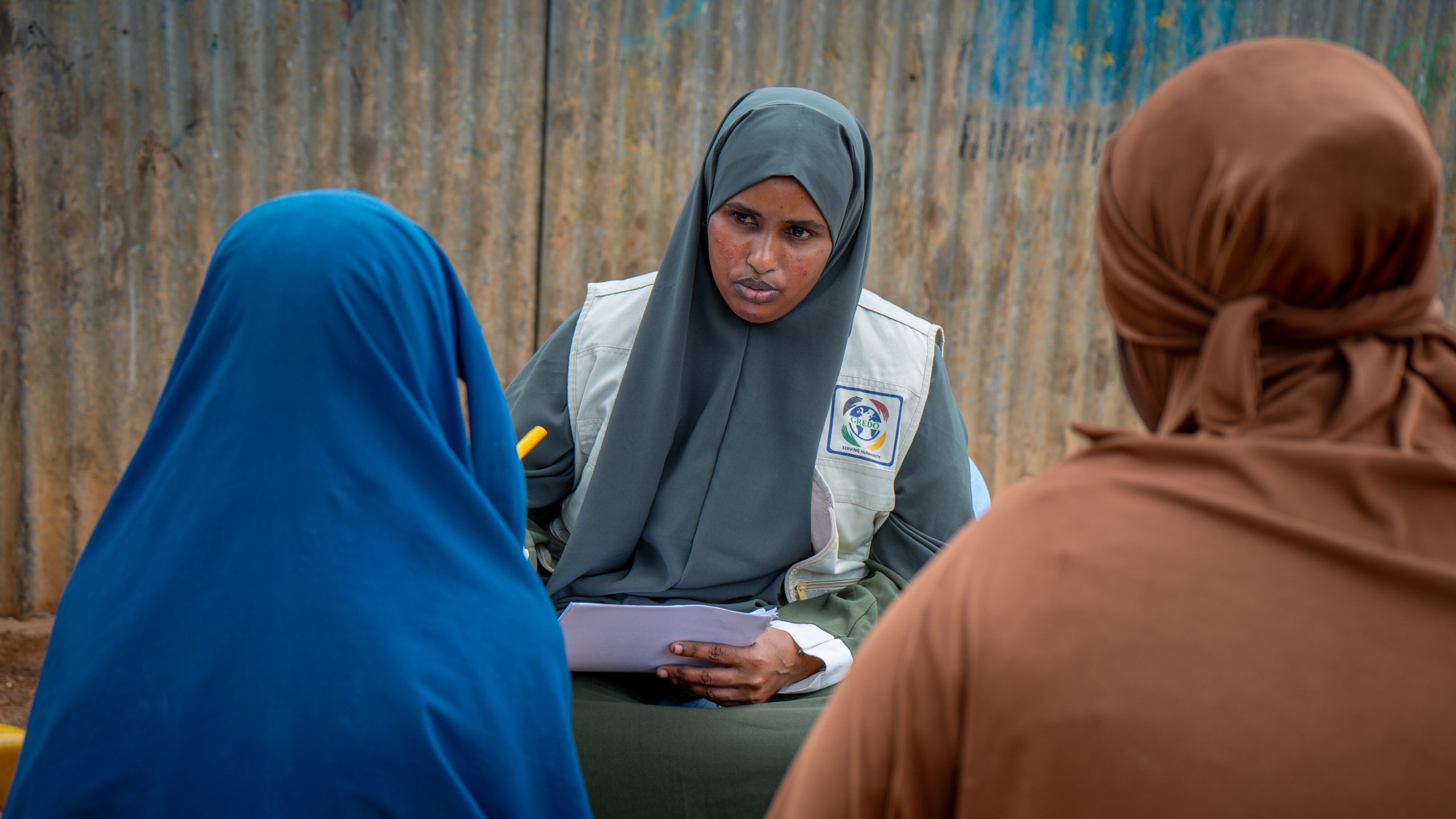 Naima Abdullahi, GREDO social worker, interviewing a survivor at their home.
One survivor explained the fear and silence that many women experience:
“We used to fear walking to the water points alone or reporting violence because of shame. After the safe space opened, I felt protected. I can speak freely and receive support without being judged.” — *Halima
Another participant described how difficult it once was to seek help:
“Before, I kept silent about the abuse because I did not know where to go. There was no place where women could speak safely.”
Recognizing these urgent protection gaps, GREDO, in partnership with Save the Children through the GAASHAAN Project,and Funded by UKAID/FCDO, established dedicated Women and Girls Safe Spaces in Baidoa and Elberde IDPs to provide confidential support and protection services.
These safe spaces offer women and girls a secure environment where they can access:
- Comprehensive GBV case management and survivor-centered support
- Psychosocial support sessions (PSS) to address trauma and stress
- Information on legal rights and available services
- Safety planning and referrals to health and protection services
- Life-skills and empowerment training through structured programs such as Girl Shine and Women Rise
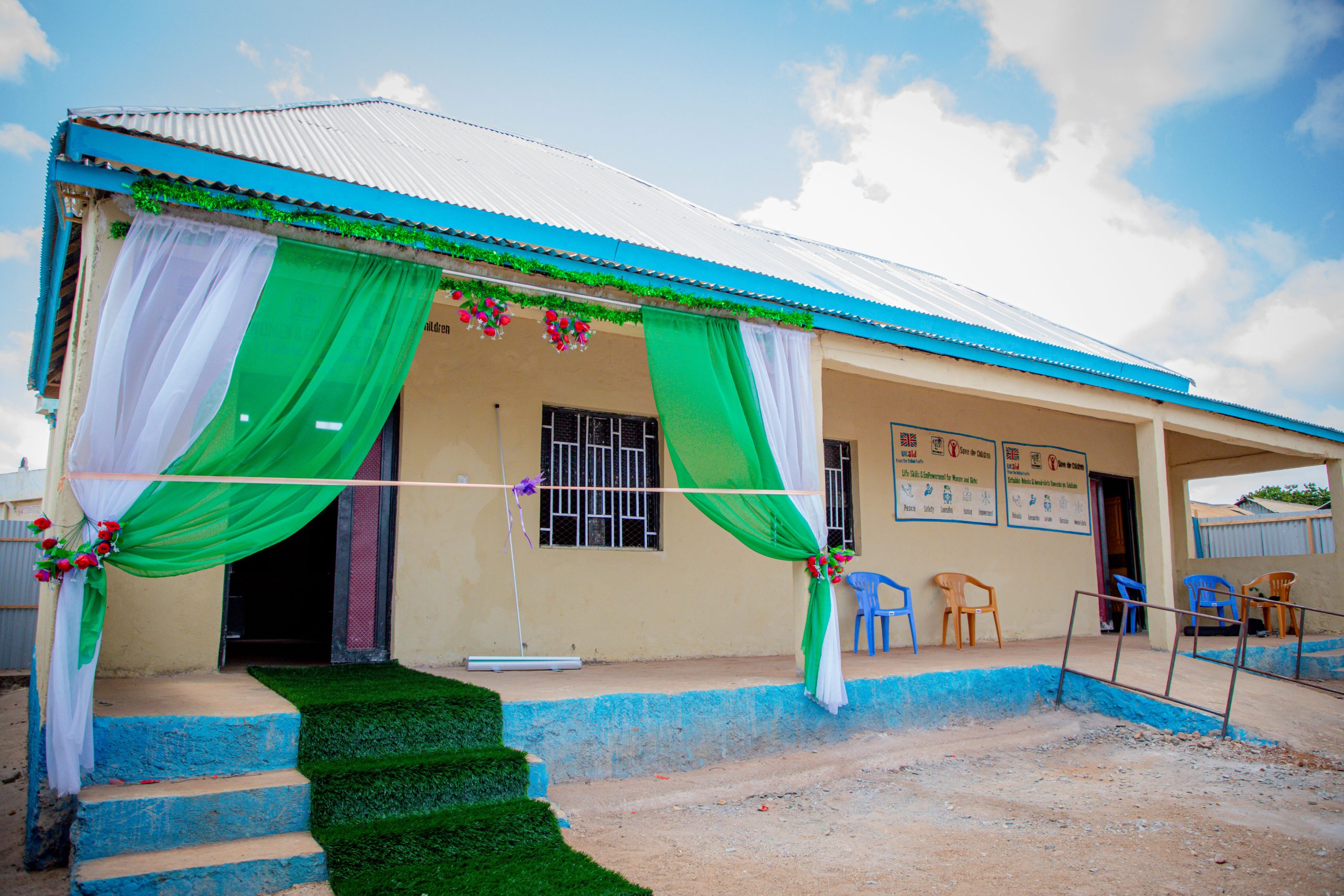 The safe space for women and girls constructed in Kormari IDP Camp in Baidoa.
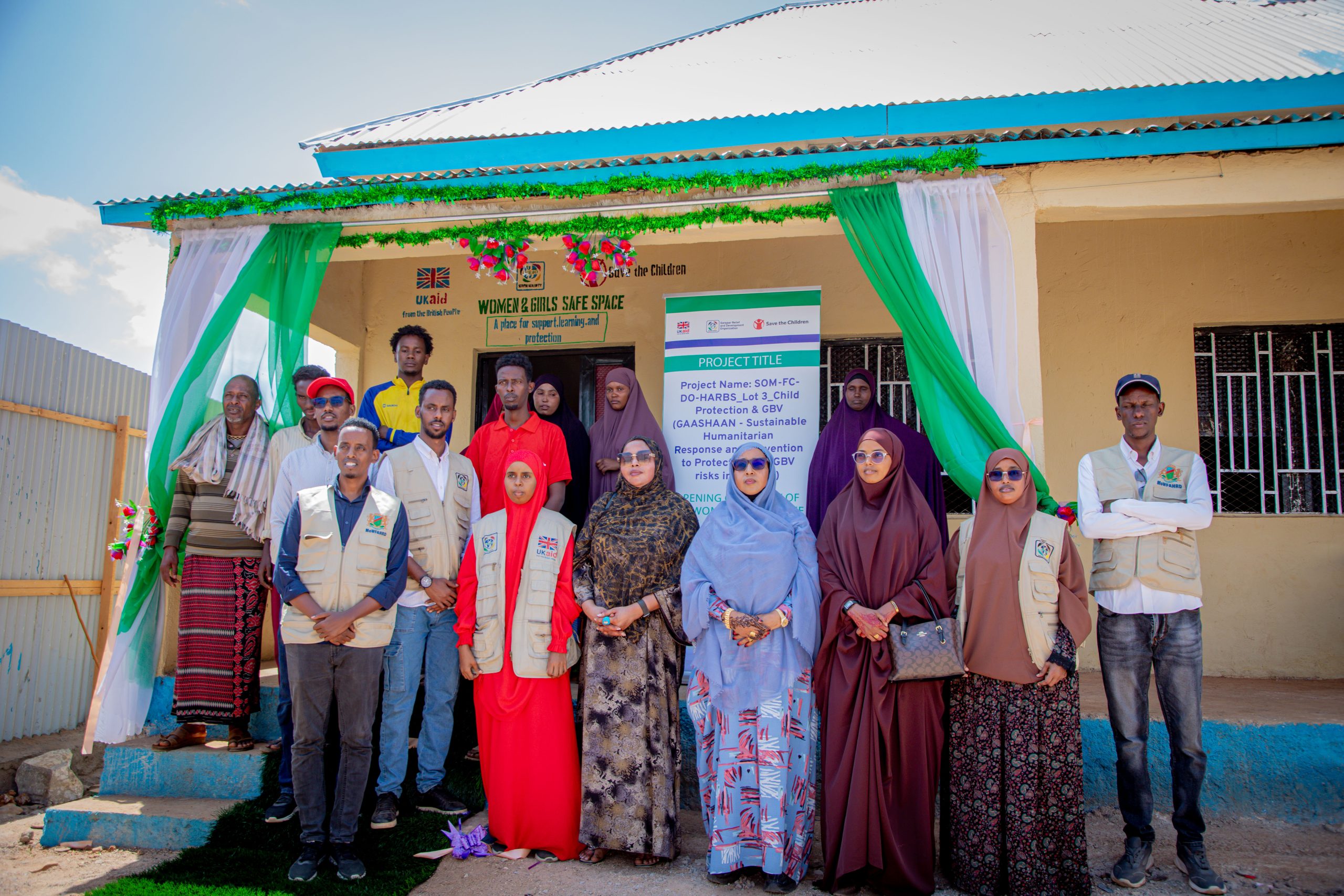
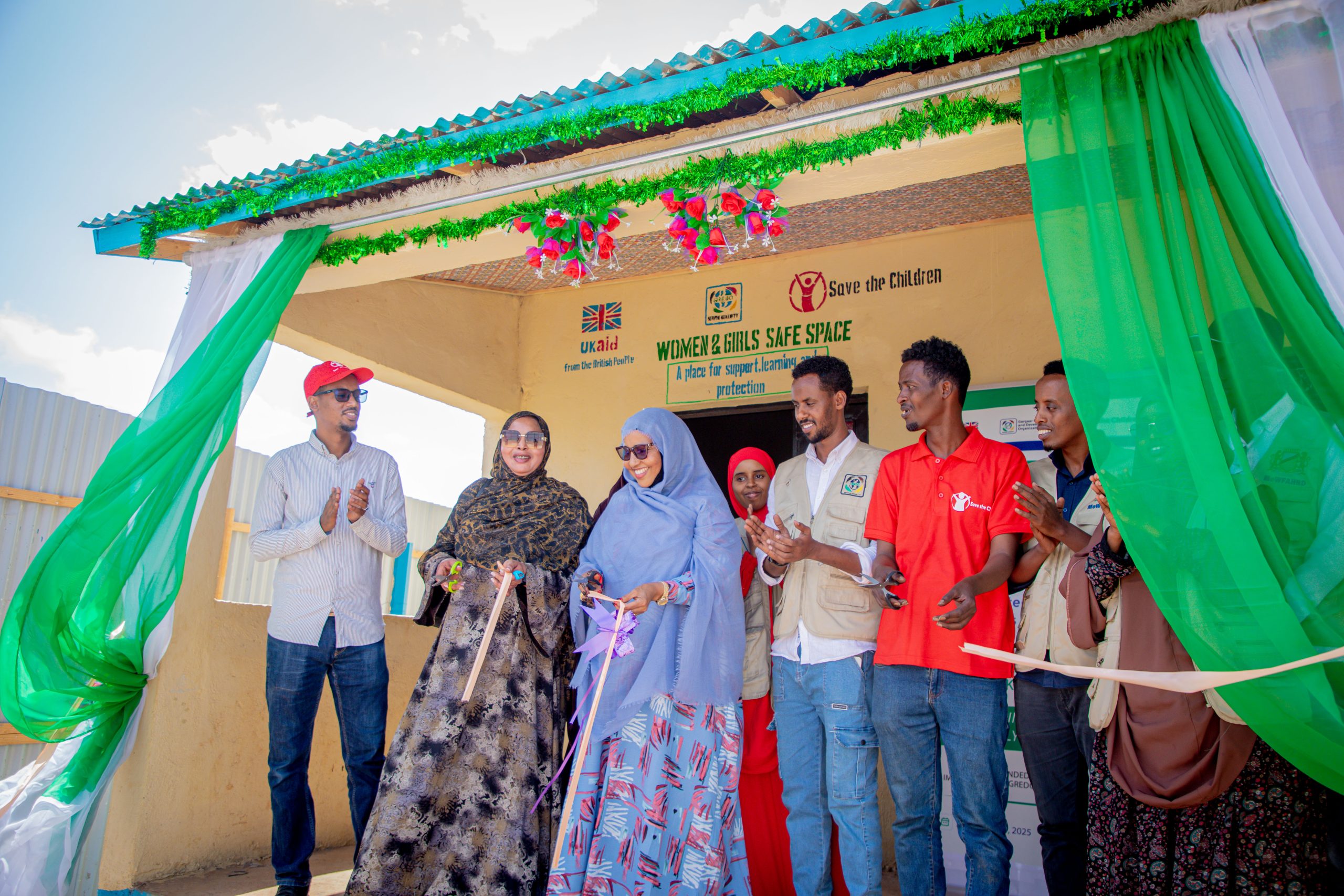 Third from the left, Shamso Mohamed, the Minister for Women, Family Affairs & Human Rights Development, cuts the ribbon for the newly established safe space for women and girls.
“The safe space provides more than just services, it offers women and girls a place where they feel heard, respected, and supported without fear of stigma or judgment.” Naima Abdullahi Suleiman – Case worker
To further strengthen protection, GREDO also introduced a confidential hotline that allows survivors to report incidents safely and seek assistance without fear or stigma.
In addition, the project conducted community safety audits to identify high-risk areas and distributed solar lights to improve visibility and reduce the risk of violence at night. Community sensitization campaigns were also implemented to challenge harmful norms, promote reporting, and encourage community leaders to support survivors.
The establishment of the Kormari Women and Girls Safe Space has significantly improved access to protection services. Because the services are now closer, confidential, and trusted, more survivors are coming forward to seek help.
As a result:
- Reported GBV cases increased by 40%, indicating improved trust and access to services.
- Referrals to health, legal, and psychosocial support services improved.
- Women and girls demonstrated greater confidence and awareness of their rights.
- Participants built stronger peer support networks, reducing isolation.
- Families increasingly accepted girls’ participation in empowerment programs such as Girl Shine and Women Rise.
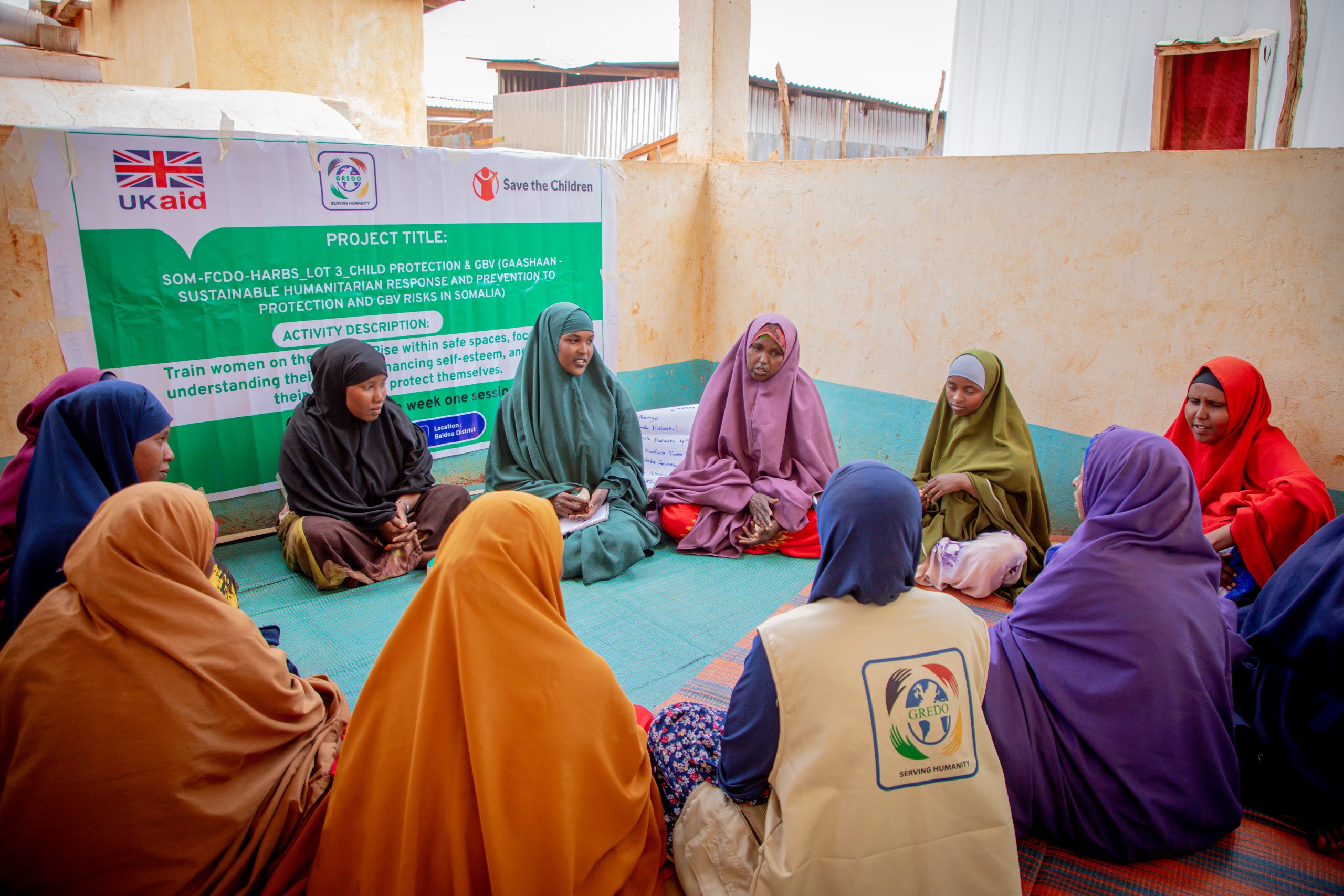 Women having their regular mentoring session.
Community attitudes have also begun to shift. Although some leaders initially hesitated to engage due to cultural norms, sustained community sensitization helped improve understanding and support for GBV prevention.
Today, several community leaders actively encourage survivors to seek help and advocate for protection and prevention within community forums.
“The hotline and the psychosocial sessions gave me courage. Before, I kept silent about the abuse. Now I know my rights and where to seek help safely and confidentially.” — *Fatuma
Another participant shared:
“The safe space helped us come together, support each other, and learn about our rights. I feel stronger and less alone.”
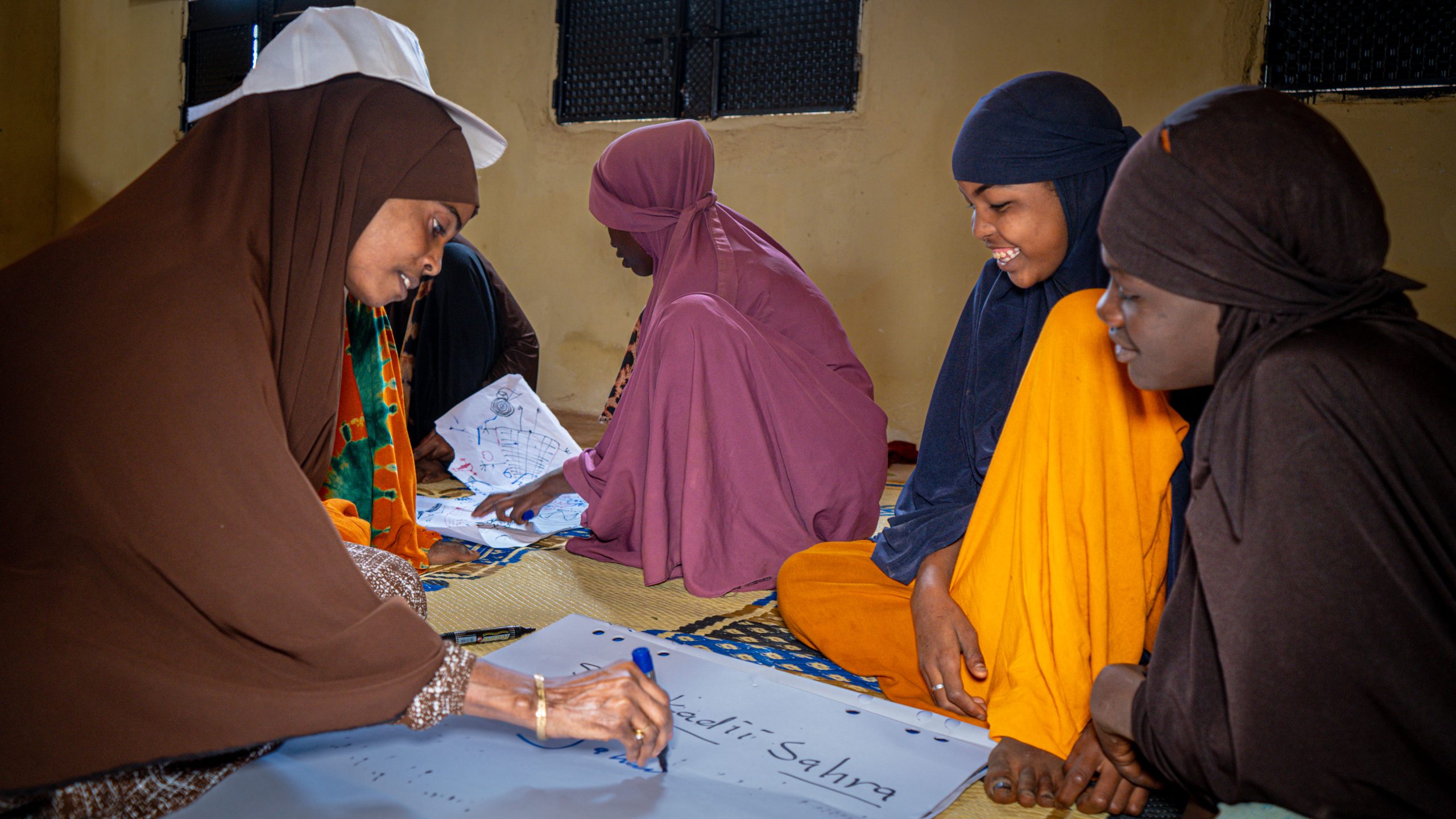
Hajira, a mentor for the Girls Shine Program, mentoring girls in the newly established safe space for women and girls.
While progress has been made, the protection needs of women and girls in displacement settings remain urgent. Safe spaces, survivor-centered services, and community awareness programs are critical to ensuring that women and girls can live free from violence and access the support they deserve.
Continued investment in GBV prevention, safe infrastructure, and survivor services is essential to expand these life-saving programs to more communities in need.
Together, we can ensure that every woman and girl has a safe place to speak, seek help, and rebuild her life with dignity and confidence.