
Somalia is facing the devastating impact of four consecutive failed rainy seasons, which have disrupted agriculture, led to widespread livestock deaths, and deepened food insecurity across the country. As of February–March 2026, an estimated 6.5 million people are experiencing high levels of acute food insecurity (IPC Phase 3), including over 2 million people in Emergency (IPC Phase 4). In 2026, approximately 1.84 million children under five are projected to suffer from acute malnutrition, including 483,000 severe cases requiring urgent treatment. The prolonged drought has destroyed livelihoods, reduced household incomes, increased food prices, and left millions of vulnerable families in urgent need of sustained humanitarian support.
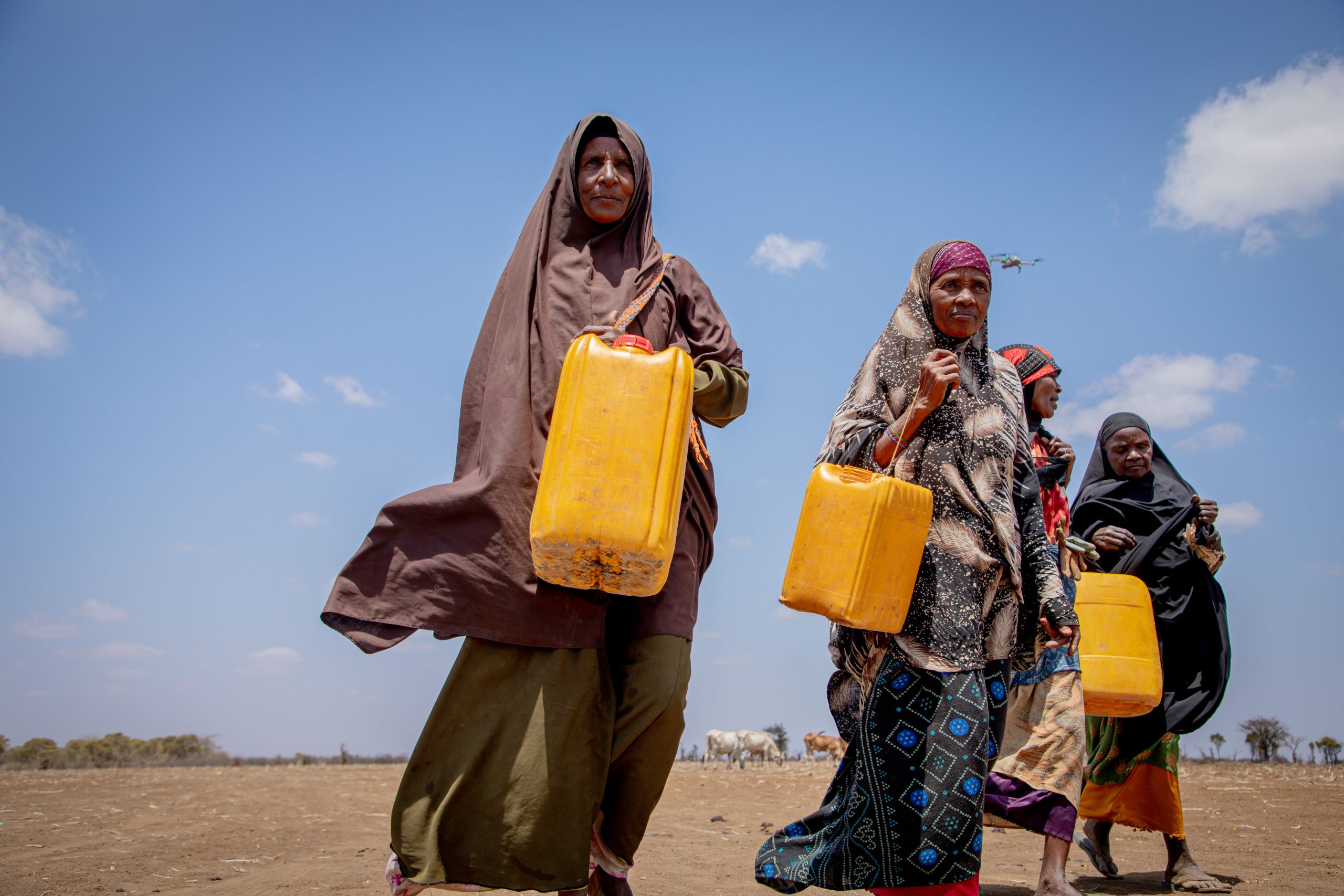 Mothers from Bulla Haawey village walk long distances with their empty jerrycans to fetch water from sources as far as six kilometers away.
In Bullah Haawey which is located 25km from Baidoa, Sothwest Somalia , the crisis is visible in everyday life. Farmers have lost their harvests and income, while livestock keepers watch their animals weaken and die. “This is my farm, we planted, but nothing grew. Now there is no income,” says farmer Ali Adan Ibrahim. Pastoralist Mohamed Abdullahi Bule adds, “Many of our animals have died, we are left with only a few weak ones.” With no pasture remaining, some goats are forced to eat harmful plants just to survive. Families struggle as food prices rise, incomes collapse, and children face growing malnutrition.
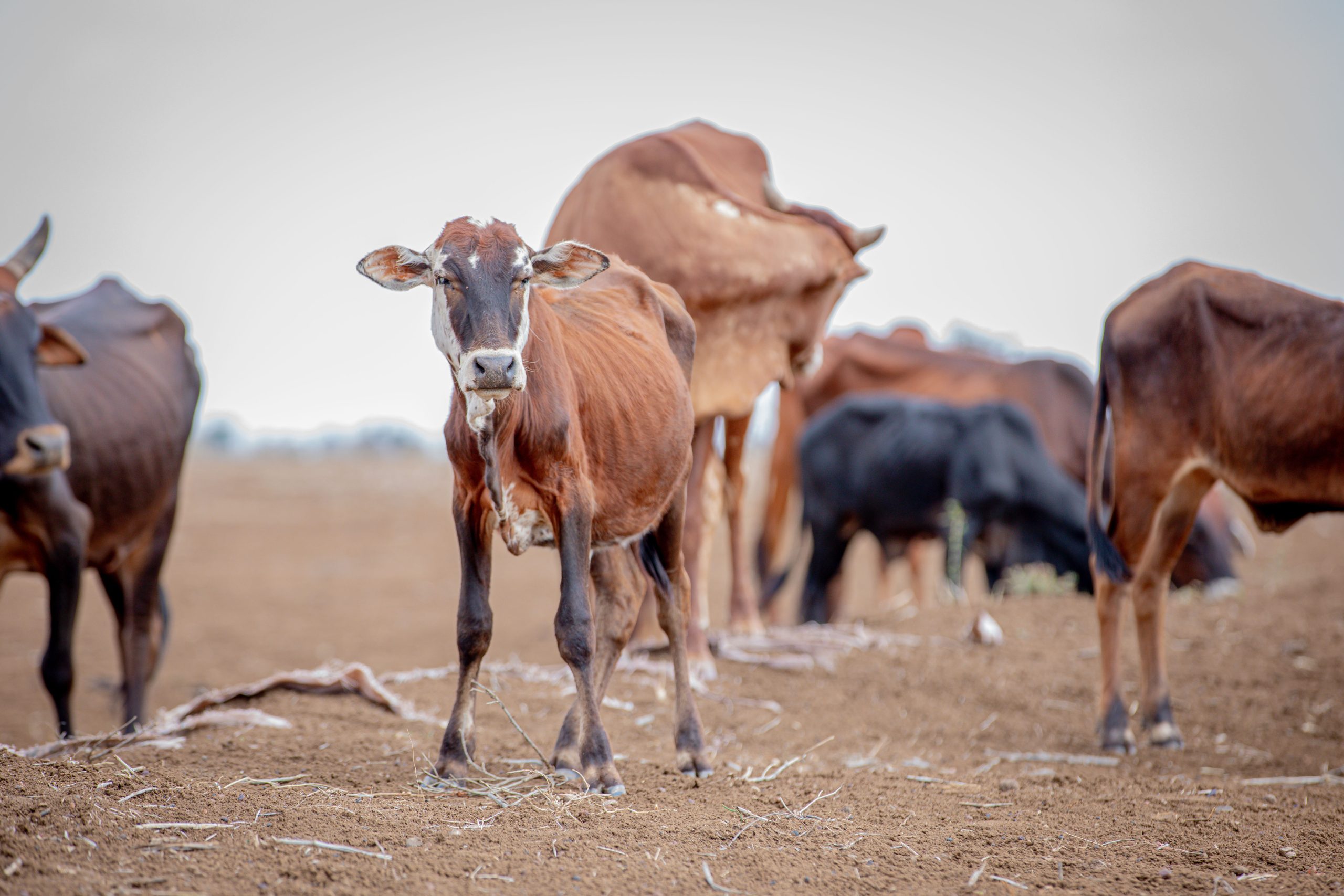 Cows severely weakened by the drought struggle to survive without adequate food or water.
Women and children are among the hardest hit, often exposed to extreme heat while searching for water. At the same time, severe funding gaps are undermining the national drought response. Aid agencies have begun scaling back food and nutrition programs, and the World Food Programme has warned that without urgent new funding, emergency assistance could be suspended. With millions already in crisis, reduced support risks pushing vulnerable communities closer to famine, making immediate and sustained humanitarian action critical.
In response to Somalia’s worsening drought crisis, GREDO, through the BRCiS III Project, implemented a critical water intervention in Bulla Haawey. A new solar-powered borehole was drilled to a depth of 167 meters and developed into a climate-resilient, multi-use water system. Completed at a crucial time amid severe drought and water shortages, the facility is now providing relief to thousands of households while protecting livestock and supporting farmers’ livelihoods.
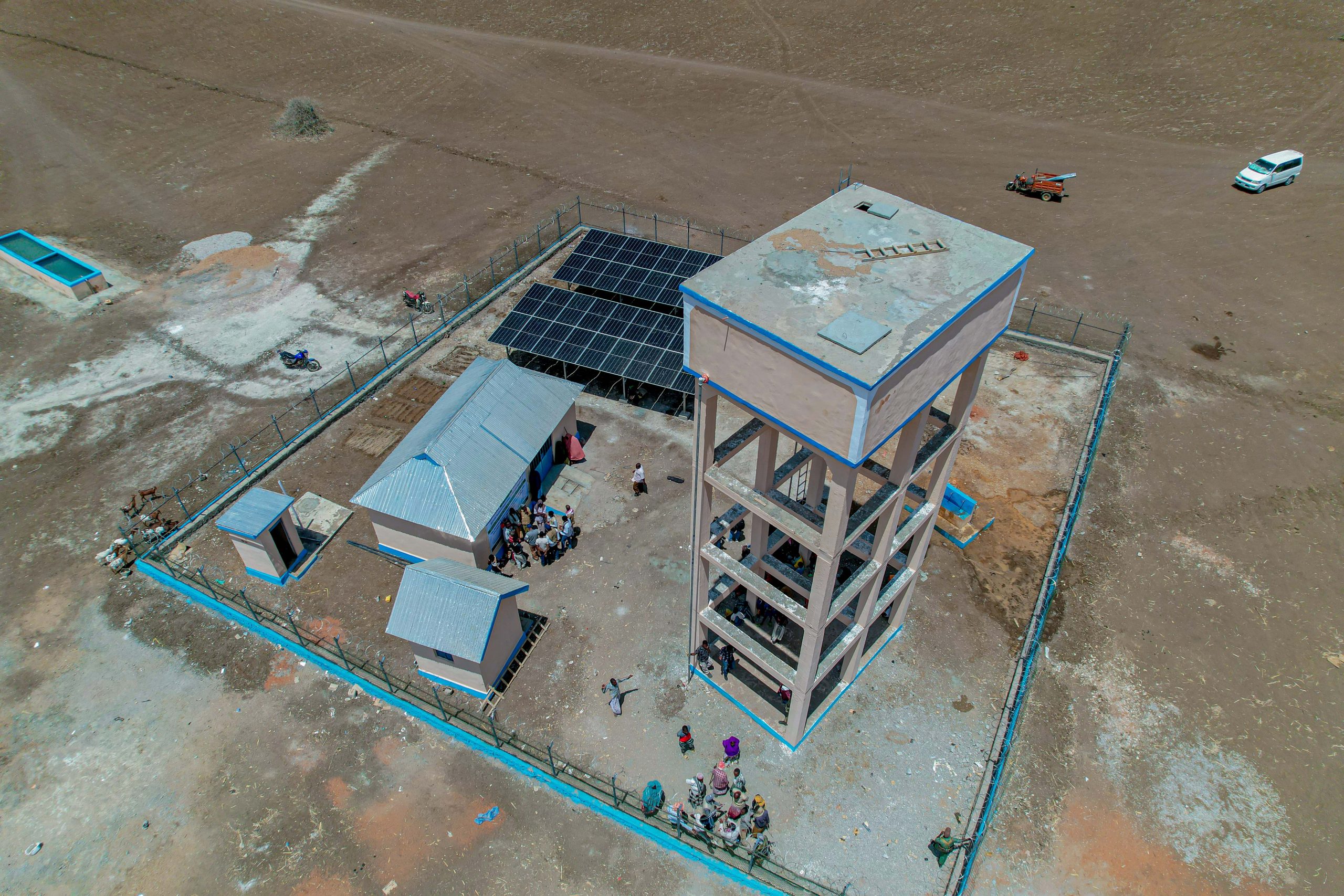
The borehole includes a solar power system, elevated water tank, piping networks, water kiosks, animal troughs, generator and operator room, fencing, and sanitation facilities. Constructed to improve access to safe and clean water, the system also helps reduce the risk of water-borne diseases. Communities that once travelled up to 15 kilometers in search of water can now access it closer to home. Water kiosks located near households have significantly reduced the burden of carrying heavy jerrycans, particularly for women and children. Livestock keepers no longer travel long distances to water their animals, and neighboring villages now bring their livestock to Bulla Haawey for access to this reliable source.
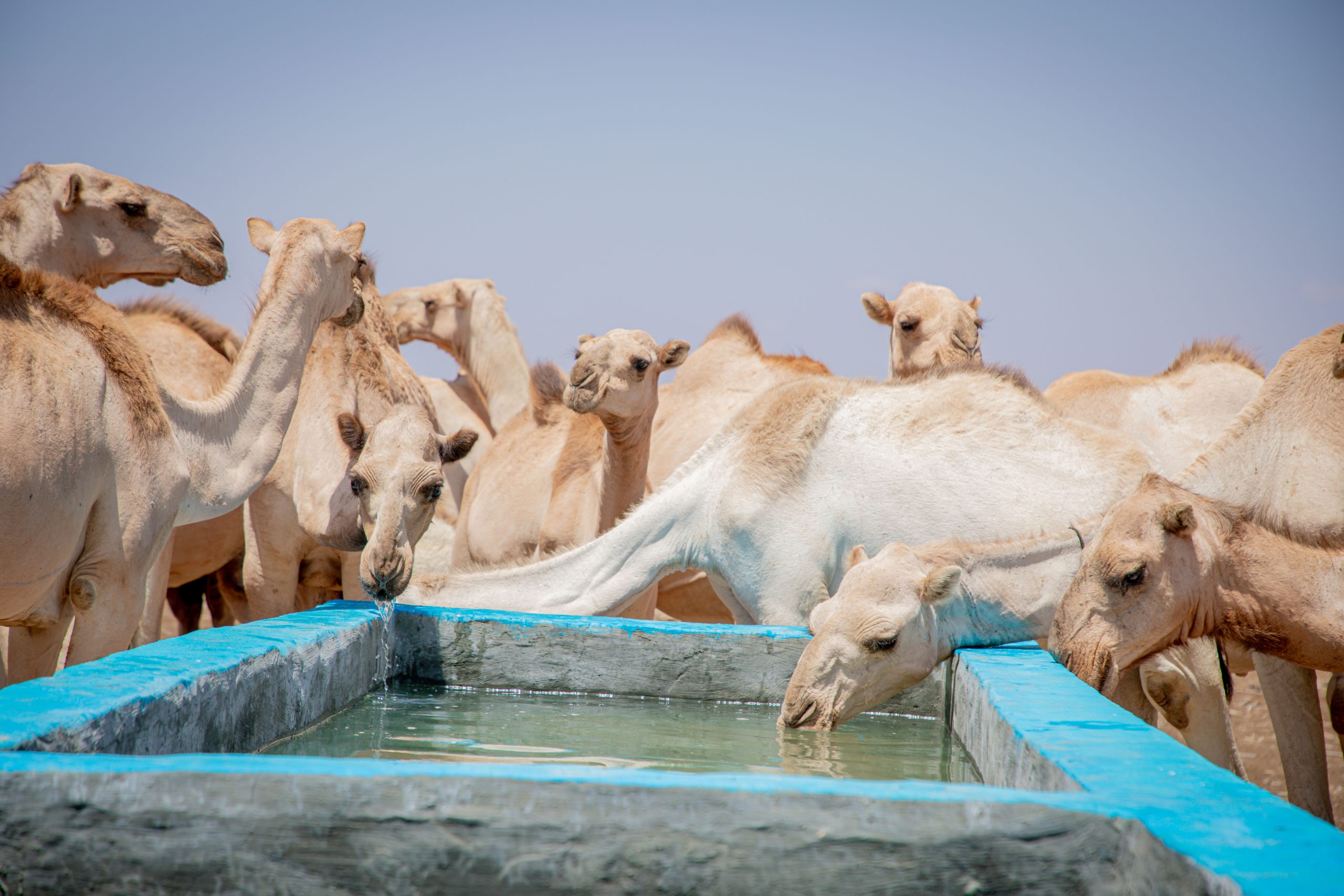 Camels drinking water from the trough at the newly constructed borehole.
For many community members, the borehole has transformed daily life. “Now water is easily accessible for our livestock without travelling long distances,” says Abukar Abdir Ali. “We even have water , kiosks near our homes, which makes it easier for children to fetch water.” Aqil Yussuf Issack adds, “We were severely affected by the drought. We used to walk long distances to fetch water. Now we have water at our doorstep. The burden of carrying heavy jerrycans has reduced, and we can fetch water at any time. We have even started planting kitchen gardens again.”
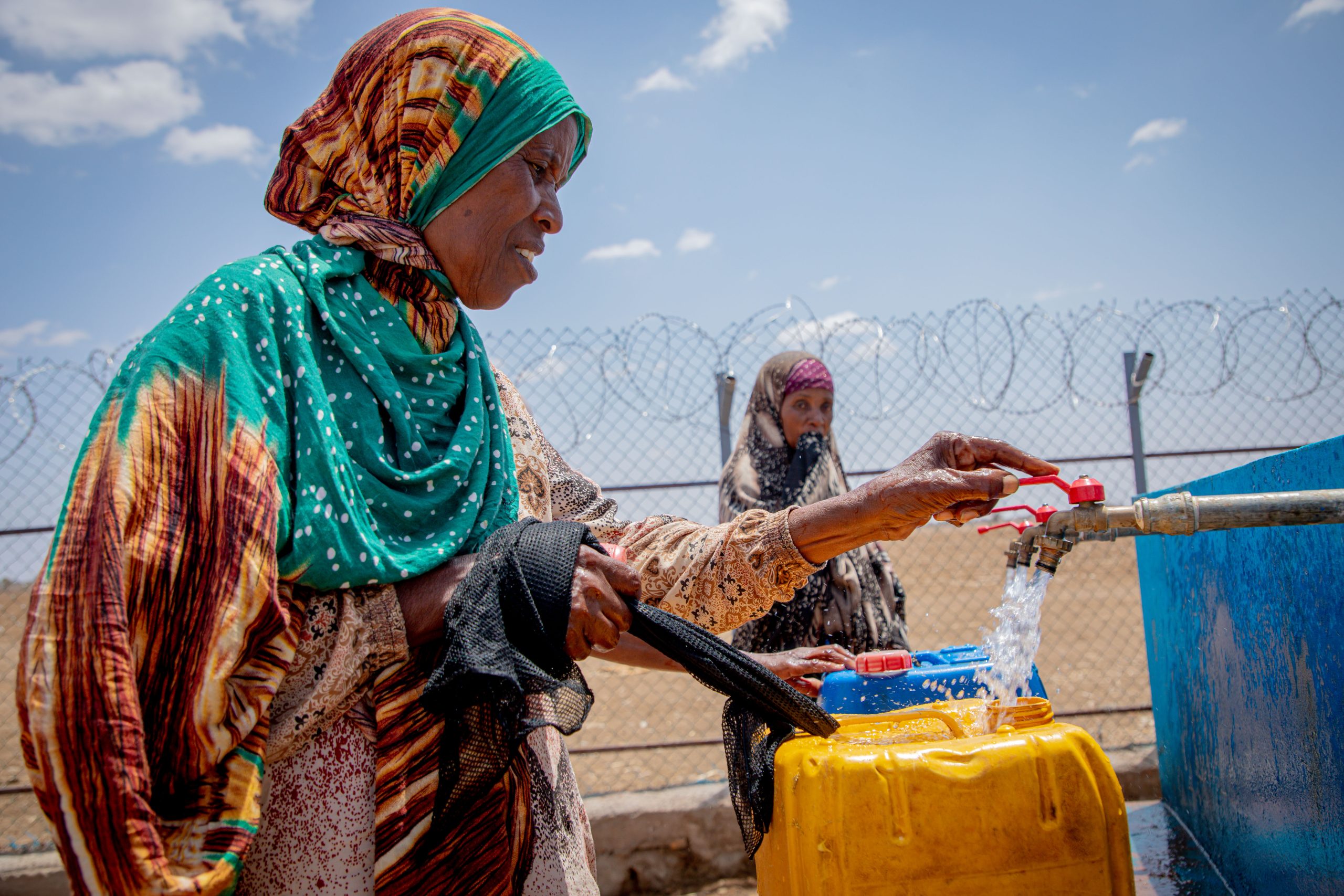 A mother fetching water from the kiosk.
“This intervention goes beyond infrastructure. By bringing safe water closer to households, we are reducing the burden on women and children, protecting livestock, and helping communities recover from the devastating impacts of drought.” Abdihalim Abdiaziz -WASH Manager
This intervention reflects GREDO’s broader commitment to resilience and dignity. As the Executive Director reaffirmed during the drought response, “Water is life. Too many Somali families are walking for miles under the unrelenting sun. This is not just a humanitarian crisis, but a moral call to action.” The successful completion of the Bulla Haawey borehole stands as a symbol of hope and partnership, demonstrating how climate-resilient solutions can transform vulnerability into stability for thousands of families.
While the Bulla Haawey borehole represents hope, millions across Somalia still face severe water shortages and hunger. Sustained humanitarian funding and climate-resilient investments are urgently needed to protect vulnerable communities and prevent further deterioration.