
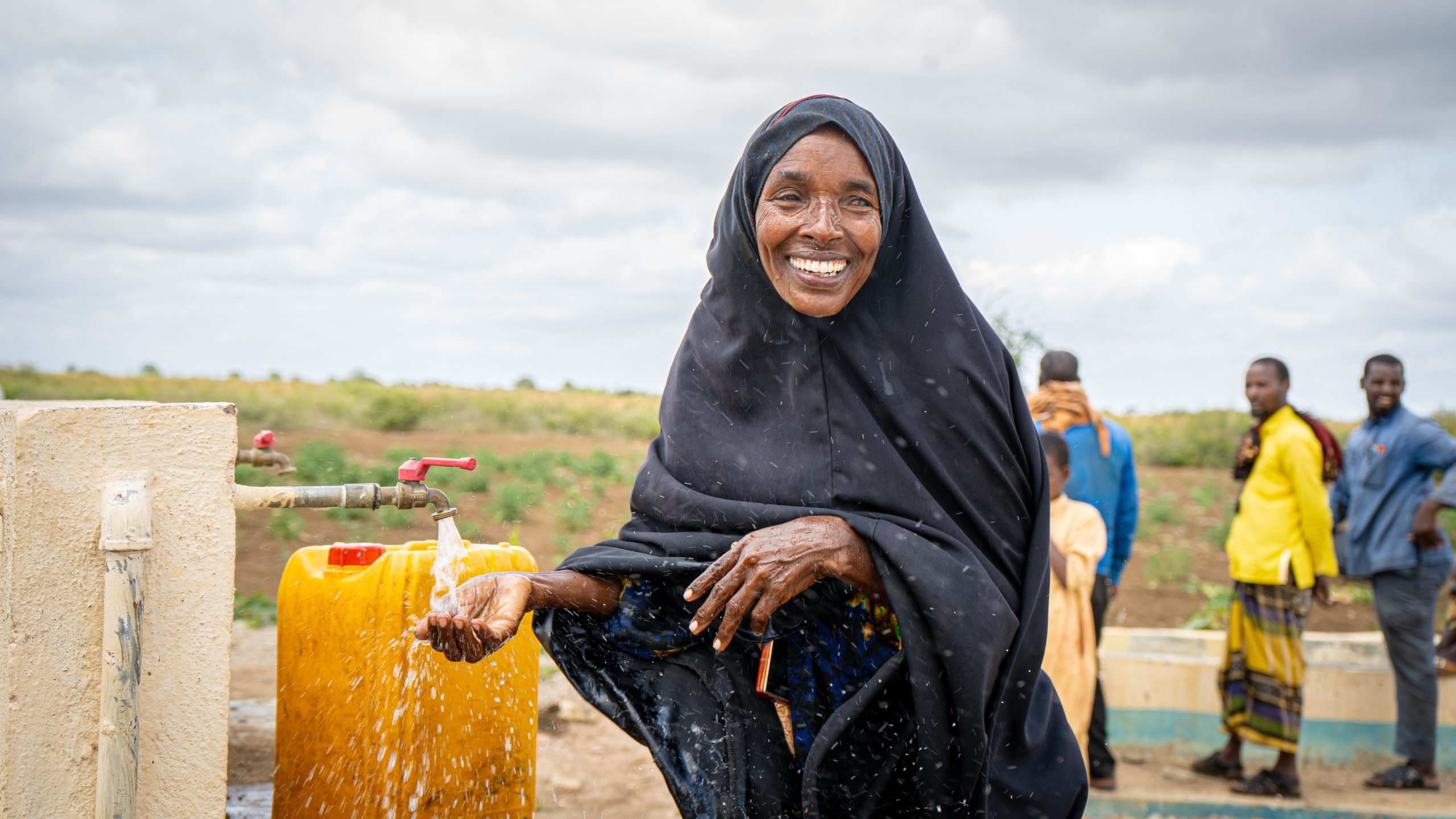
Badiade, a rural village located eight kilometres from Baidoa in Somalia’s Bay region, is home to pastoralist and agro-pastoralist families whose lives depend heavily on seasonal rainfall and livestock rearing. In recent years, however, the community has faced unprecedented climate shocks — prolonged droughts, sudden flash floods, degraded farmland, and recurring water shortages — all of which pushed families to the brink. Traditional water sources such as hand-dug wells and small ponds dried up during long dry seasons, forcing families to walk several kilometres each day under harsh sun to find water. “Before the rehabilitation of the local water points, community members faced significant challenges in accessing safe and sufficient water,” recalls Hawa Ali Noor Madey, describing how families often travelled long distances only to find seasonal or unreliable sources already depleted. With animals weakened, crops lost, and households struggling, Badiade urgently needed a sustainable solution.
Life before the intervention was especially difficult for women and children who carried the heavy responsibility of water collection. Hours were spent walking, queuing, and returning home with just enough water for basic household tasks. This burden often meant lost opportunities for school, rest, or income generation. “Women and children endured the most,” explains Hawo Mohamed Yusuf Bufow, a female-headed household and mother of five. “Every day we walked far, and even then the water was never enough.” For families relying on livestock as their primary source of income, the lack of water brought devastating consequences. “Without water, our animals suffered from poor health and reduced productivity,” says Faadimo Bukur Moalim Mohamed, a mother of six. “In many cases, we even lost animals—heartbreaking losses that pushed families deeper into hardship.”
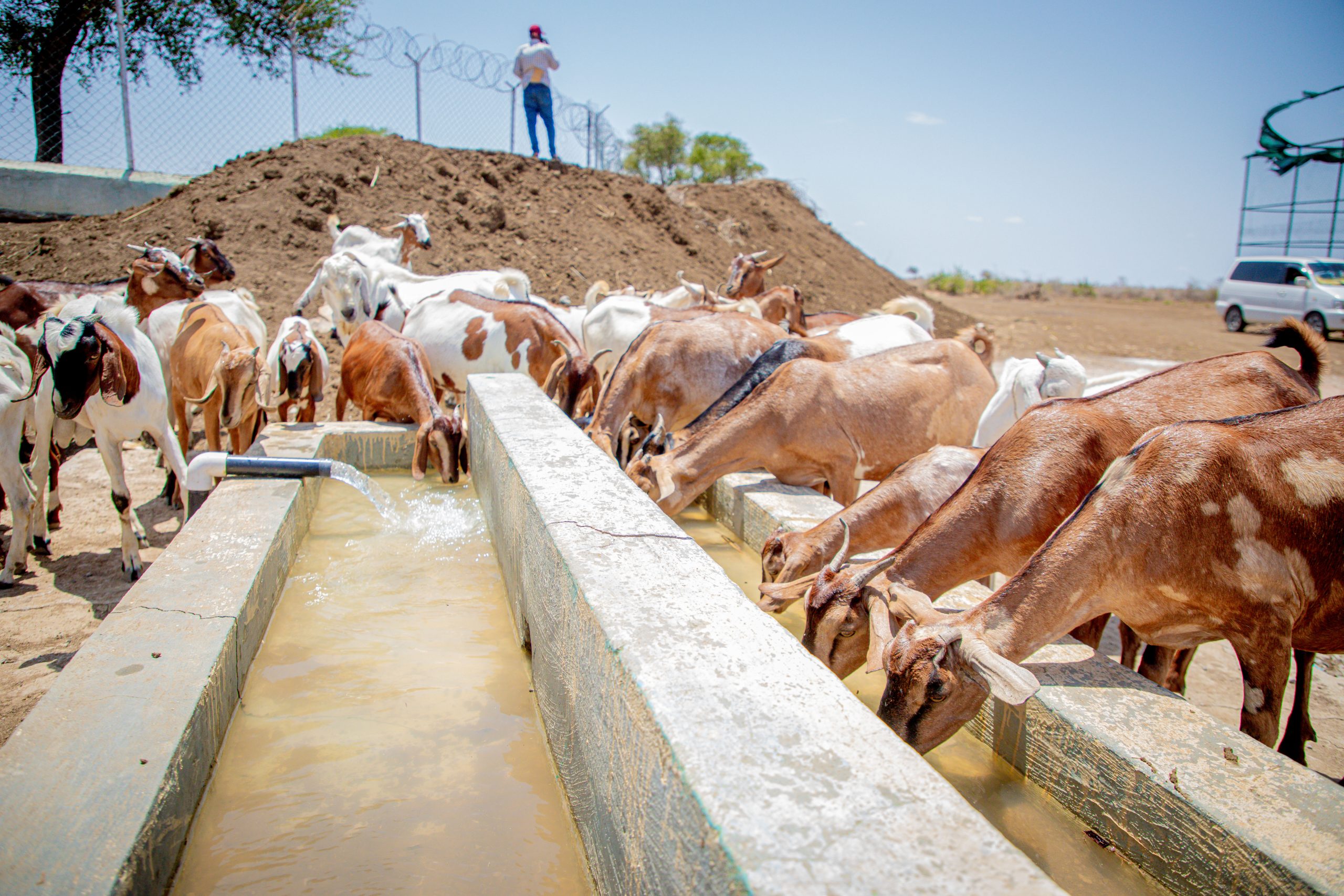
Livestock quenching their thirst at the rehabilitated water source
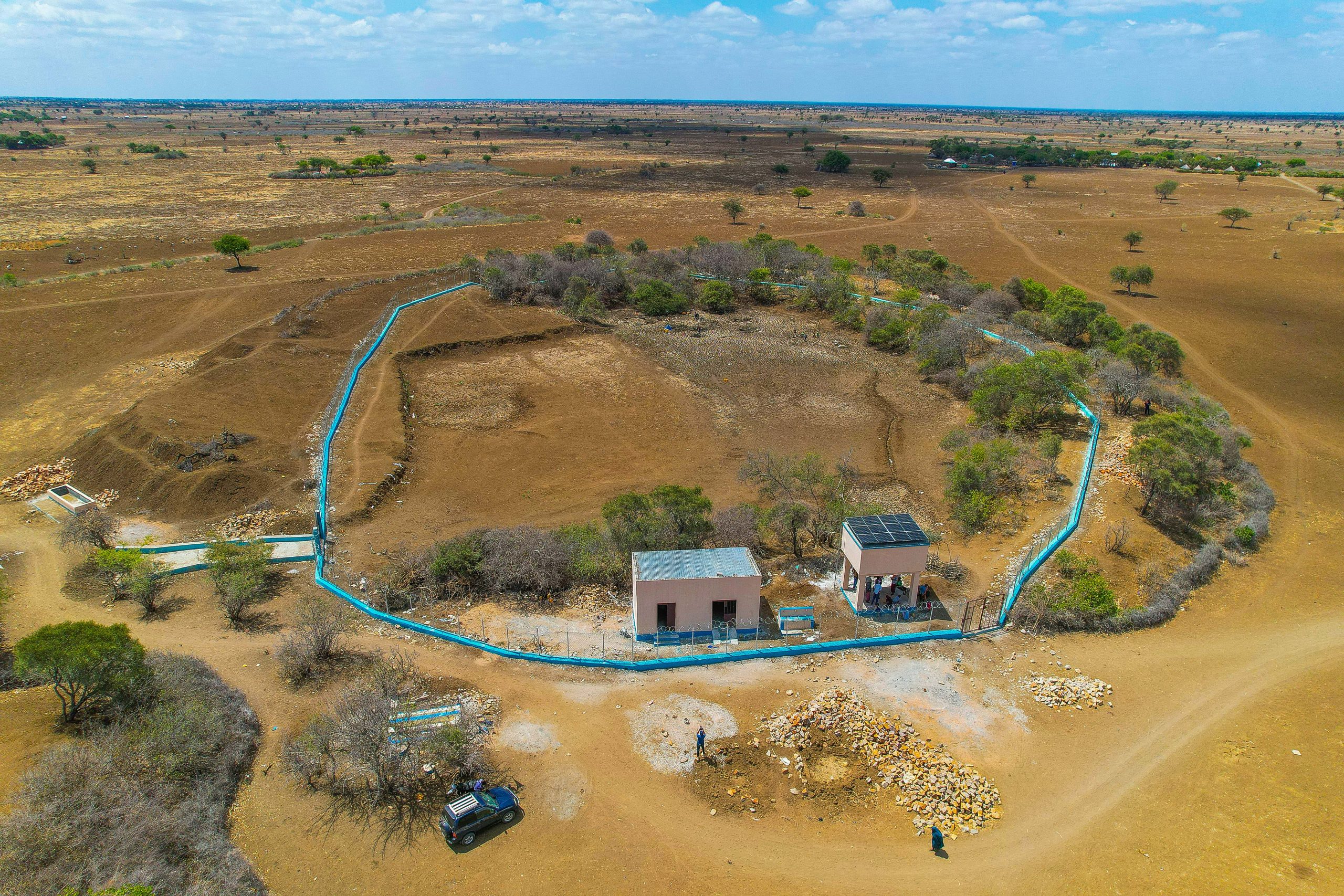
To address these challenges, GREDO, through the Building Resilient Communities in Somalia (BRCiS III) project, implemented a comprehensive intervention in Badiade aimed at restoring water access and strengthening community resilience. The project constructed a hybrid solar-powered protected earth dam equipped with an elevated tank, water kiosk, livestock trough, and protective fencing. Existing water points were rehabilitated to ensure consistent and safe water availability. Additionally, GREDO revitalized the local water management committee, which now includes nine trained members — six men and three women — who oversee water distribution, maintenance, record-keeping, and hygiene promotion. “Before the intervention, our water management committee existed but lacked structure,” one committee member shared. “Now we work confidently and inclusively to ensure the water system remains sustainable.”
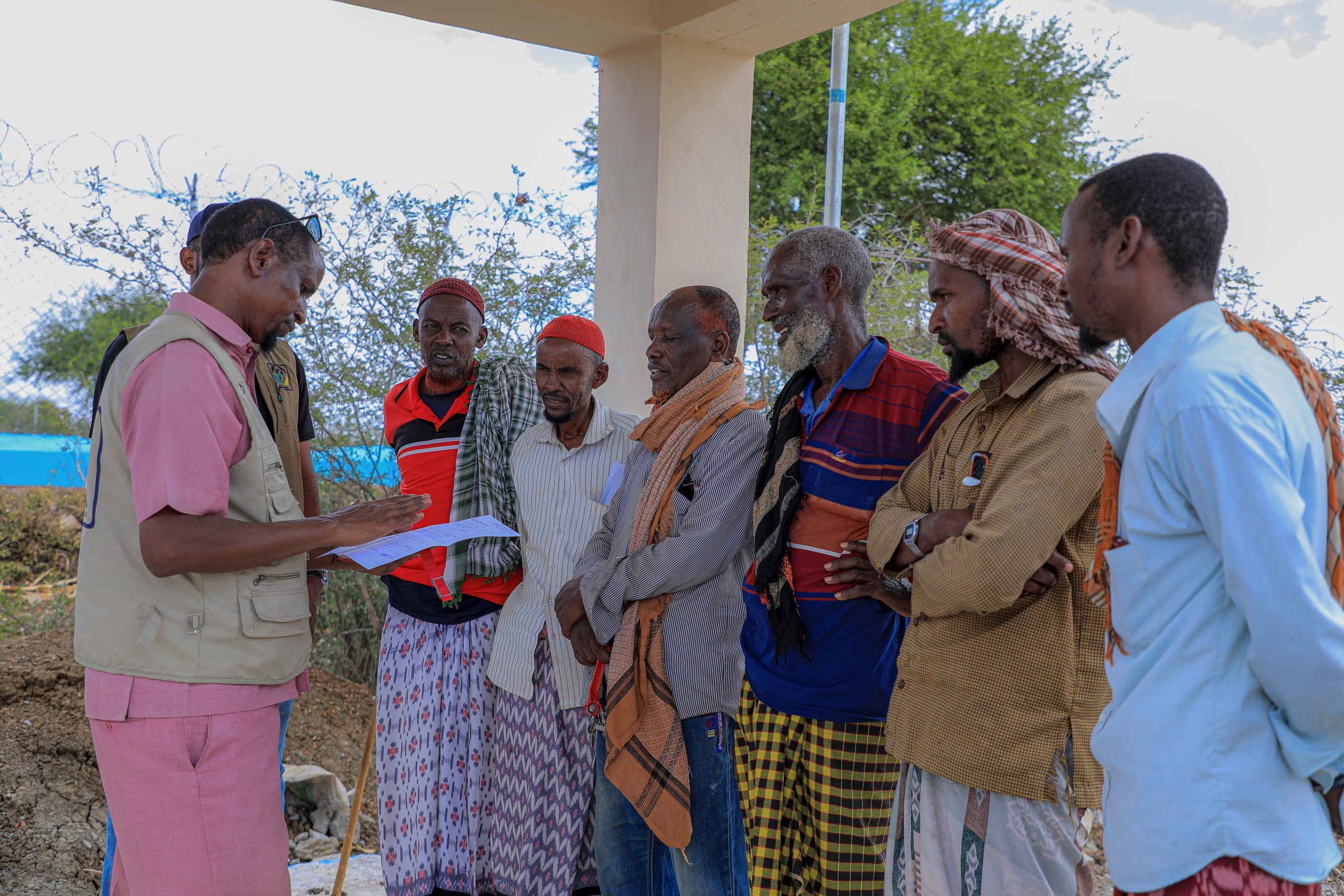 water management committee
Alongside infrastructure improvements, GREDO also invested in livelihood strengthening. Thirty local farmers received training in kitchen gardening and seedling nursery development, enabling them to grow vegetables at home and improve household nutrition. This was particularly transformative for vulnerable households. “Thanks to consistent water availability,” explains Isho Ibraahim Shacban, a widow raising children, “kitchen gardening and seedling nurseries have flourished, empowering families to grow their own food and restore dignity through self-reliance.”
The impact of these interventions has been profound. With reliable year-round access to water, families now save hours each day — time that is redirected toward education, livelihood activities, and family care. “After the water point rehabilitation, the workload in my household and across the community has greatly reduced,” says Shariif Adan Ali Adan, father of eight. “We saved hours each day, allowing time for education, income-generating activities, and rest. The reliable water access also boosted hygiene practices, reducing waterborne diseases and improving public health.” Health outcomes have noticeably improved as consistent water access has allowed families to maintain better hygiene and reduce the risk of preventable illnesses.
Livestock health and productivity have also dramatically improved. “Now our animals are thriving,” says Faadimo. “Their health has improved, productivity is up, and the constant worry we once lived with has lifted. This transformation means more food, more income, and greater stability for our families.”
For pregnant mothers and caregivers, the change has been life-altering. Habiibo Adan Hassan Ali, a pregnant mother of six, explains: “Before the project, I suffered from water shortages almost all the time. Now the water point rehabilitation has reduced the workload in my household. Reliable water access boosted hygiene, reduced diseases, and allowed us to irrigate kitchen gardens for food security.”
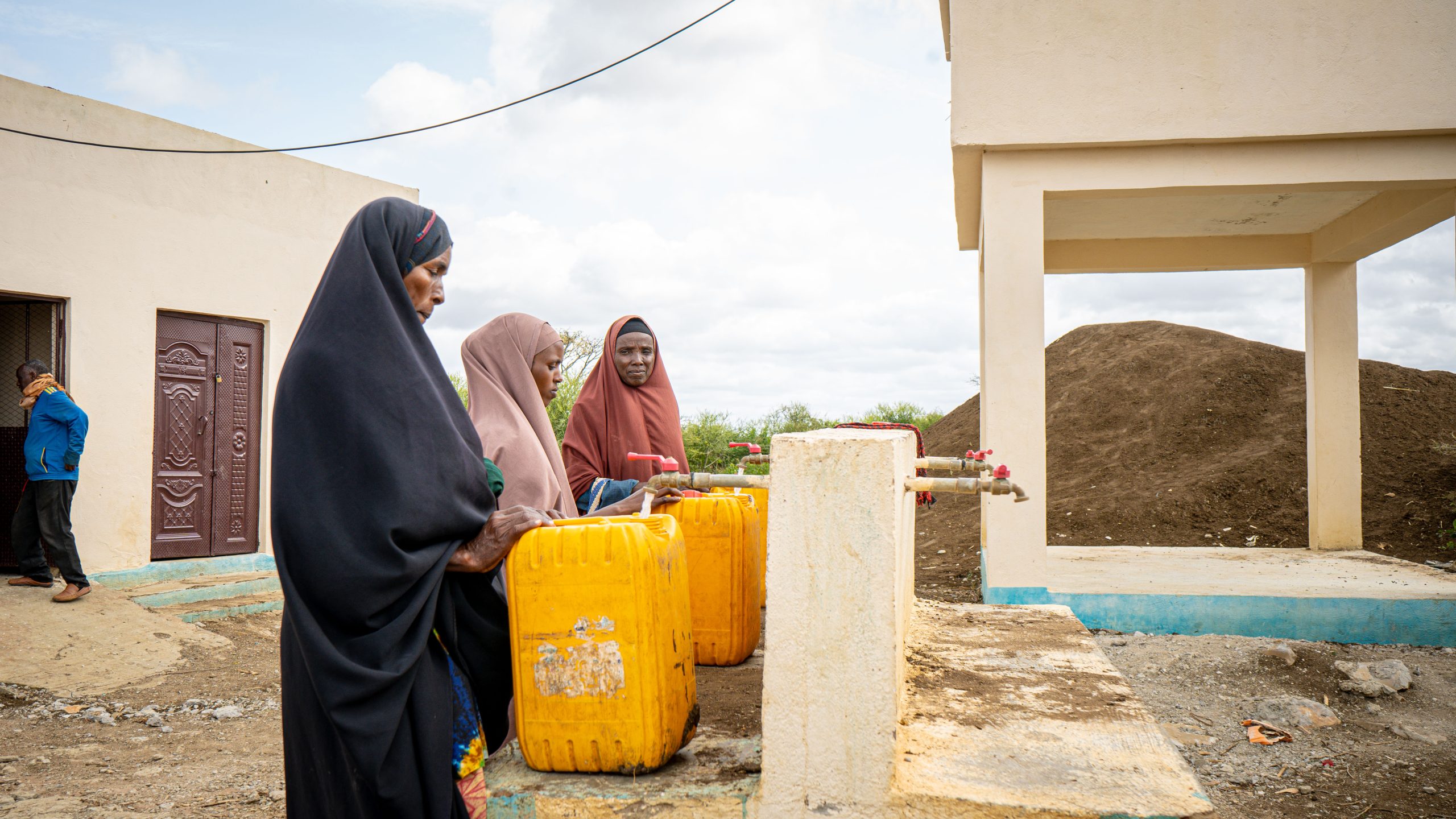
Community watering at the village water kiosk.
Community members also emphasized the emotional and social impact of the intervention. “From scarcity to dignity,” says Isho Shacban. “The shift from seasonal water shortages to reliable, year-round access has restored personal well-being and enhanced community pride.” Social cohesion has strengthened as sharing water resources with neighbouring communities reduces tensions and fosters a spirit of cooperation. “Shared access to dependable water strengthened social ties and reduced tensions around competition or scarcity,” shares Shariif. “The water source now holds water for twelve months, serving both human and ecological needs.”
Reflecting on the transformation, Mohamud Mohamed Ahmed said: “There was shortage and scarcity, but now the transition to year-round access has had a profound impact on both personal well-being and the community. It has given us dignity and safety. Thank you for your dedication to making our community healthier and more resilient.”
Today, an estimated 2,500 households benefit from these improvements. Water is accessible for up to 12 months each year, and families now grow vegetables through household gardens supported by training and steady irrigation. Strong governance, improved public health, restored livelihoods, and strengthened social ties all demonstrate how locally led solutions can transform fragile communities facing climate and conflict shocks.
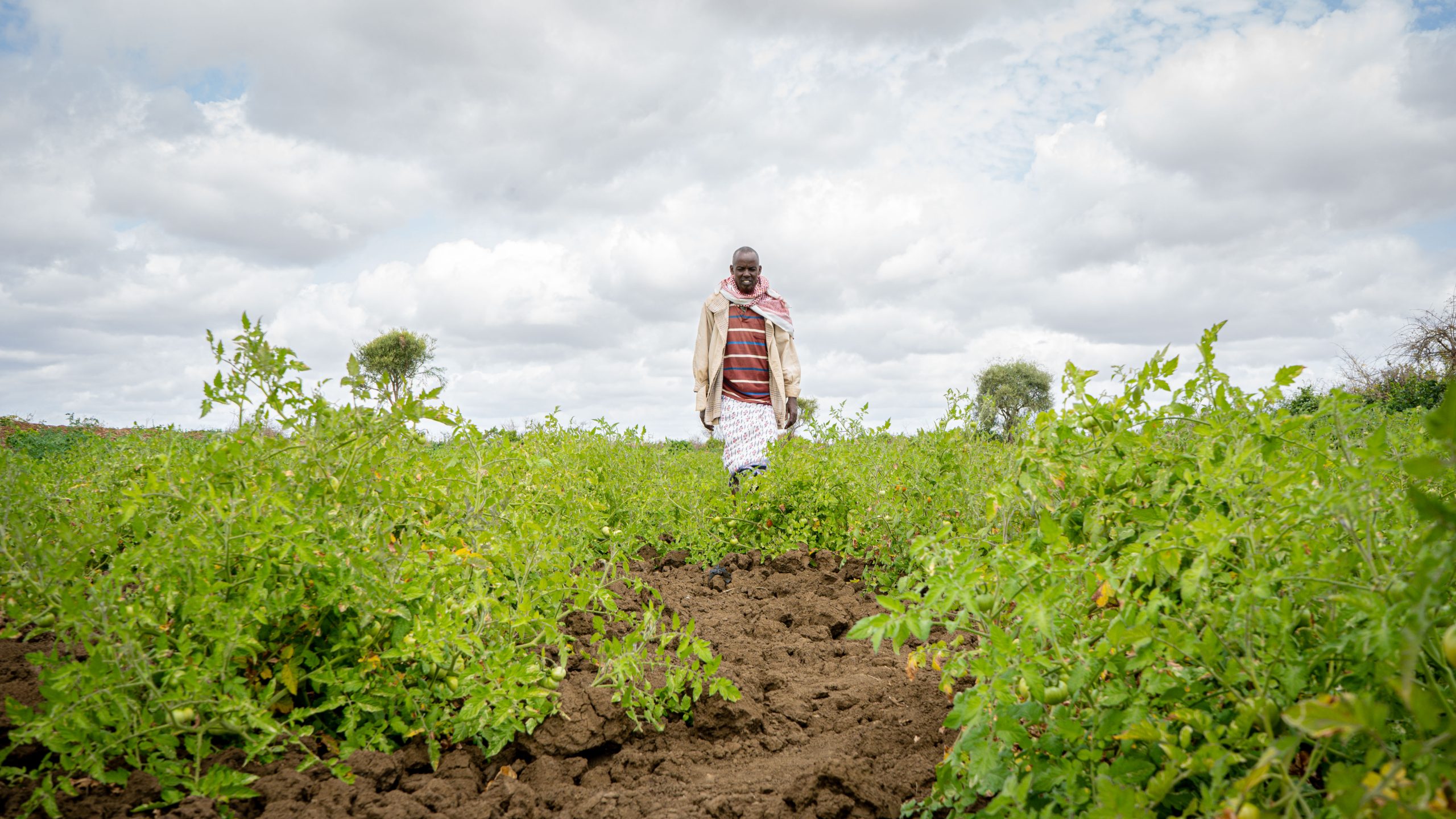 Adan Mohamed on his farm in Badiade village.
The BRCiS III programme, implemented by GREDO and partners, aims to enhance community resilience by addressing the interconnected challenges of climate change, conflict, and poverty. Through sustainable livelihoods, climate-smart agriculture, disaster risk reduction, and the rehabilitation and construction of resilient water infrastructure, the programme equips communities with the resources and skills needed to adapt and thrive. The transformation in Badiade is a powerful example of what is possible when integrated, community-driven initiatives meet urgent needs with long-lasting solutions.